The next frontier in pharmaceutical research may not be a new molecule or a more powerful instrument. It may be a change in the physical environment in which biological processes are studied. But for an industry built on reproducibility, regulatory compliance and measurable outcomes, scientific curiosity alone is not enough.
That distinction framed discussions at the Festival of Biologics Basel 2026. The question was not simply whether experiments could be conducted in space, but whether they could generate evidence robust enough to inform decisions on Earth.
From bioprocessing to orbital research
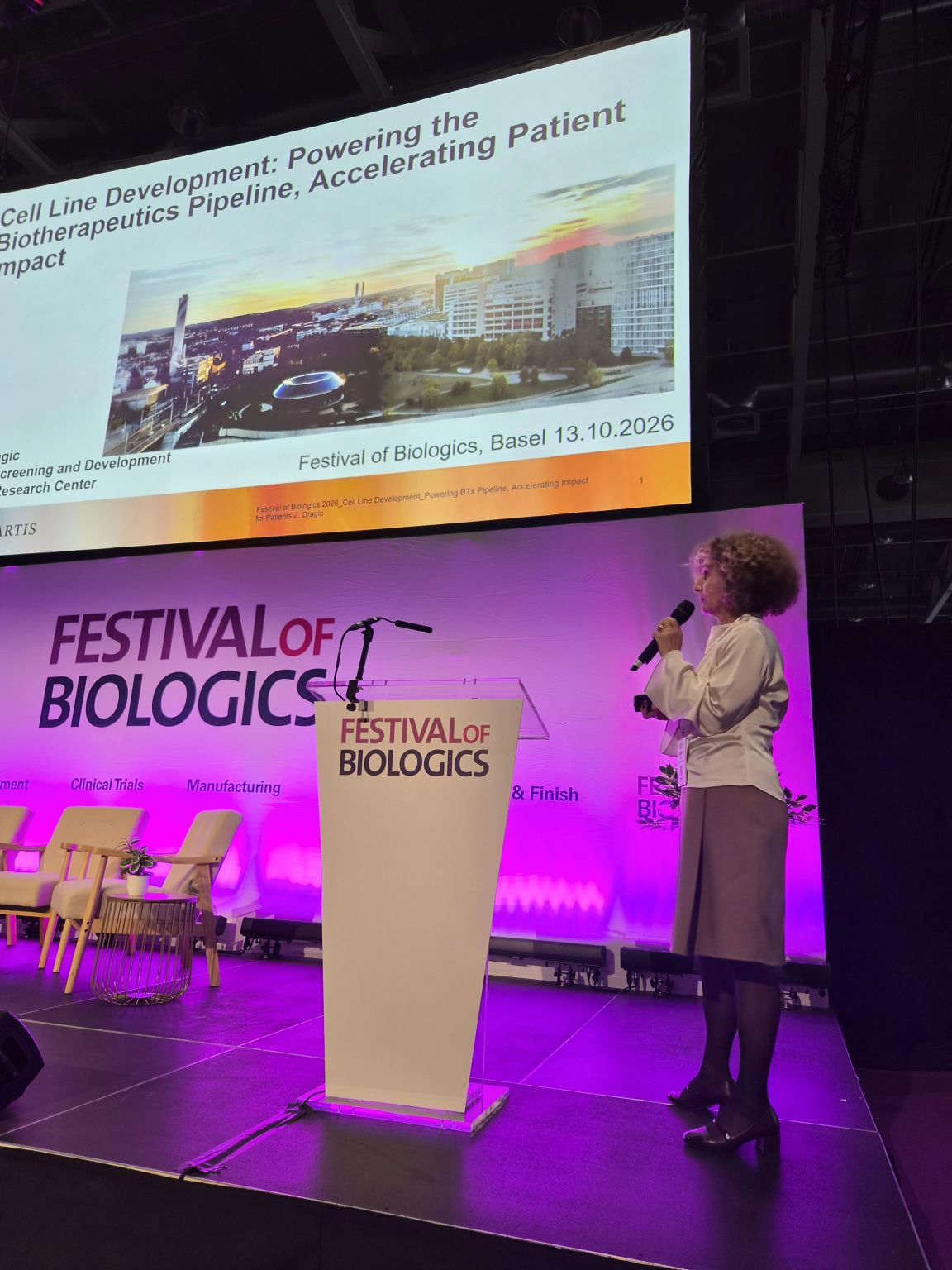
On 13 October at Messe Basel, the manufacturing and bioprocessing programme brought established pharmaceutical priorities into conversation with emerging space capabilities. Dr. Zorica Dragic, Executive Director of Cell Line Screening and Development at Novartis, presented “Cell Line Development: Powering the Biotherapeutics Pipeline, Accelerating Patient Impact”.
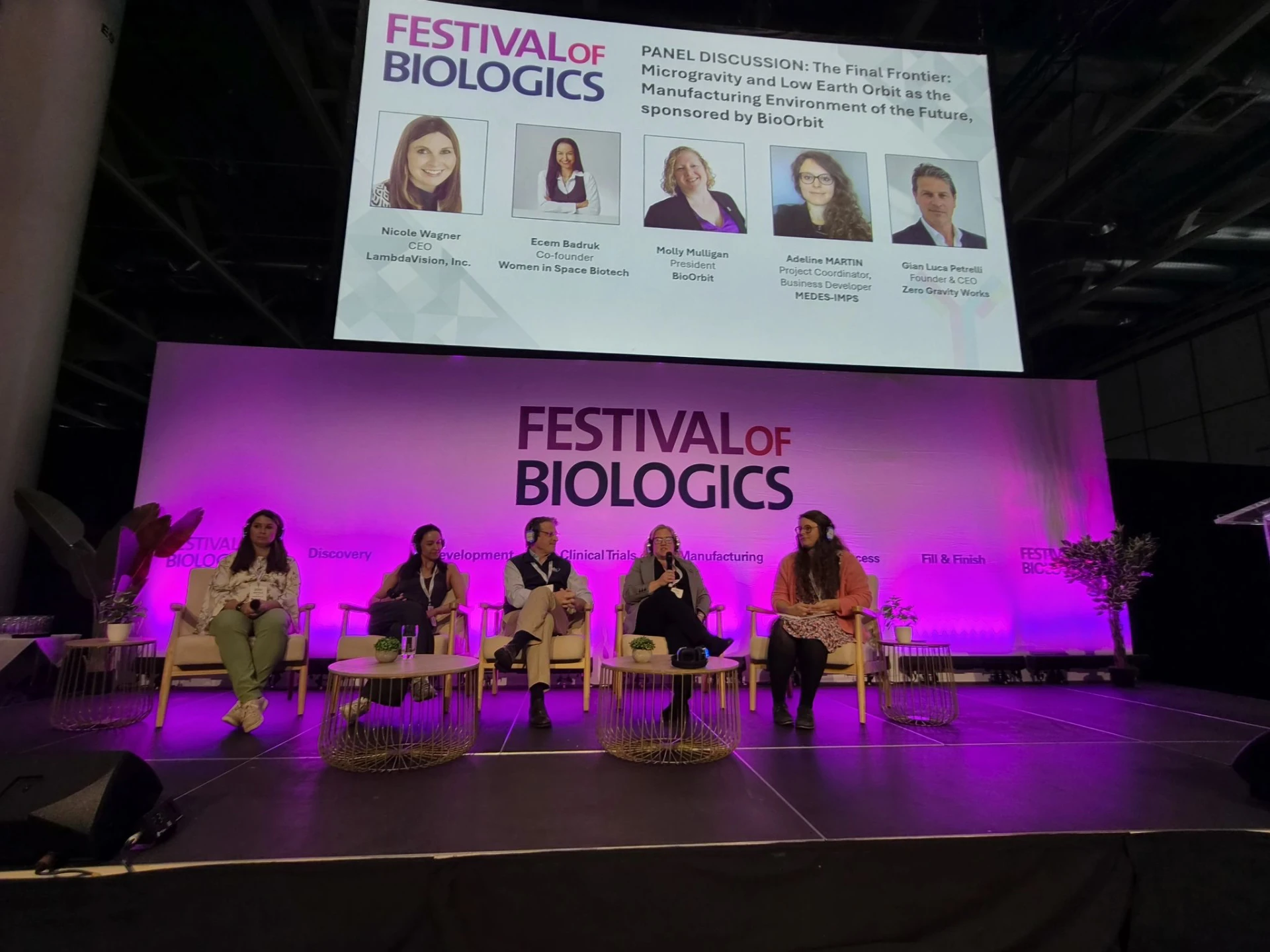
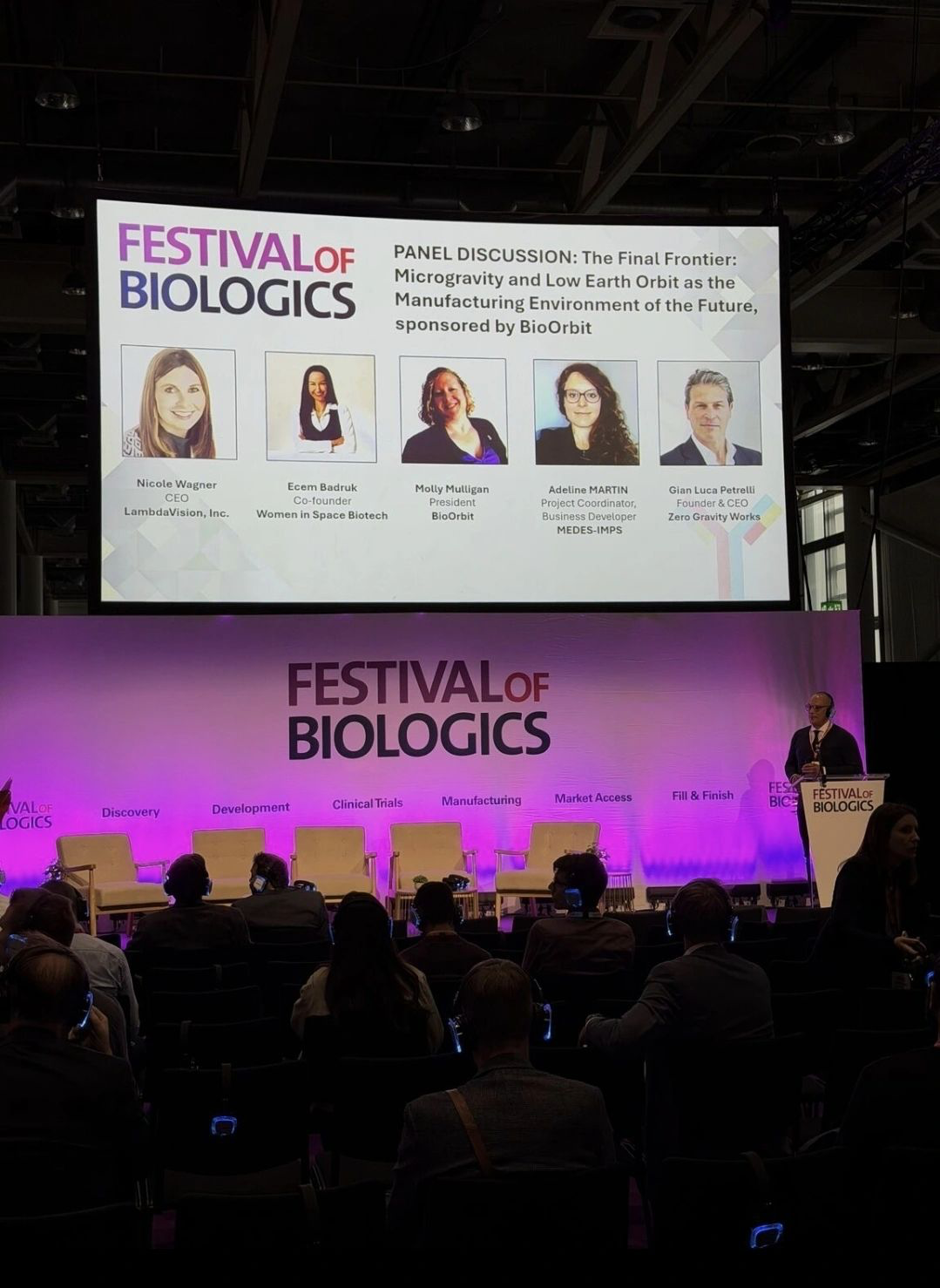
A panel moderated by Adeline Martin of MEDES-IMPS explored microgravity and low Earth orbit as potential environments for future manufacturing. Nicole Wagner of LambdaVision, Ecem Badruk of Women in Space Biotech, Molly Mulligan of BioOrbit and Gian Luca Petrelli of Zero Gravity Works contributed perspectives spanning biotechnology and space-based infrastructure.
A different experimental environment, however, does not automatically establish an industrial advantage. That advantage must be demonstrated.
The evidence threshold
Microgravity research is not new. Decades of orbital investigations have examined protein crystal growth, cellular processes and biological systems. NASA has documented how, in certain circumstances, microgravity can improve protein crystal quality and support structural investigations relevant to drug discovery.
Commercial relevance remains application-dependent. Appropriate controls, reproducible data and a clear account of experimental limitations are indispensable. In biologics, product quality, process consistency, scalability and regulatory expectations shape almost every development decision. A promising orbital observation is a starting point—not proof of a viable industrial process.
Three disciplines, one industrial question
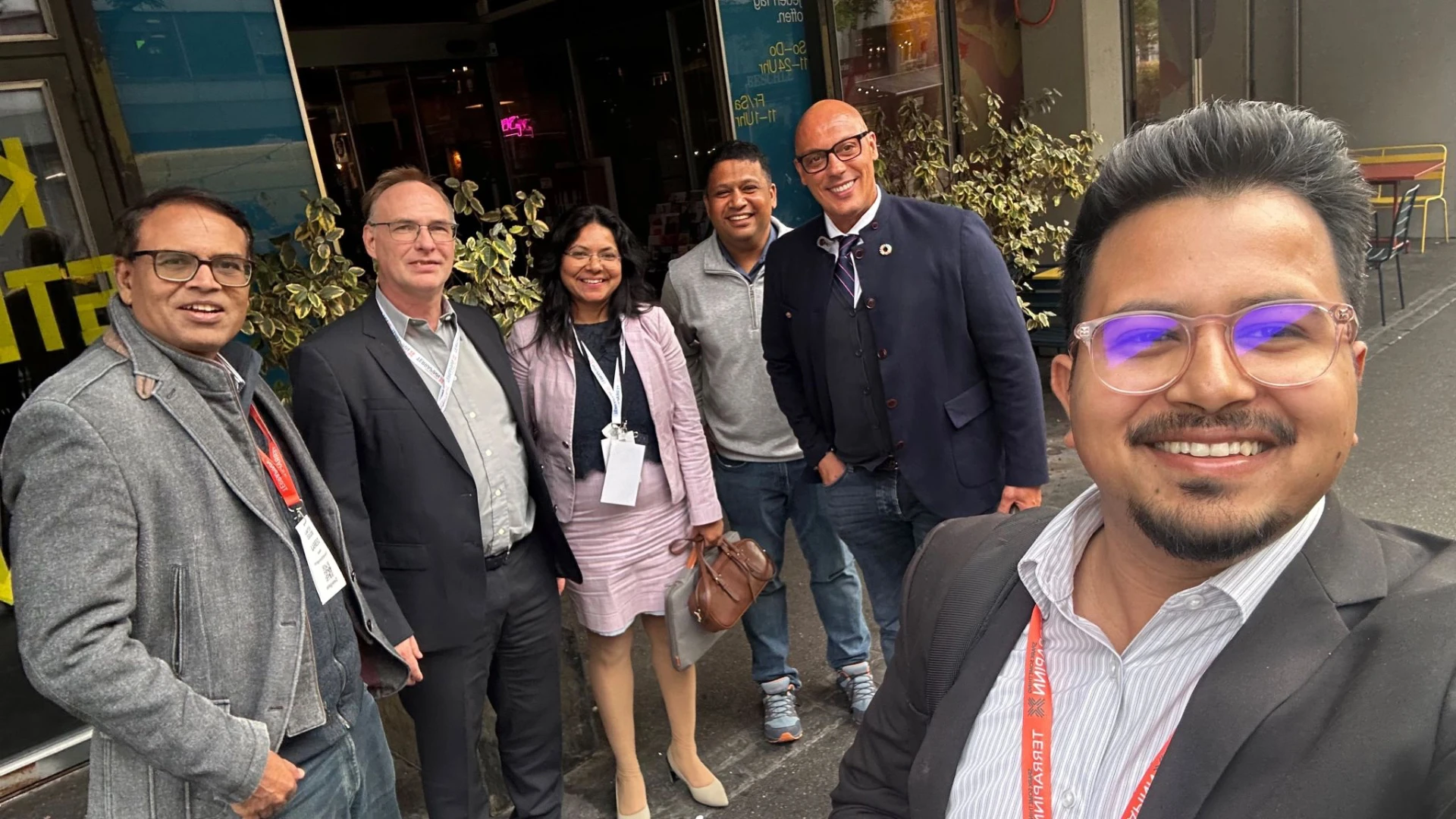
Those practical considerations informed the 13 October roundtable “Microgravity for Biologics: From Scientific Feasibility to Industrial Adoption”. Dr. Priyanka Dutta Passecker, Founder and CEO of Healiva, brought a biotechnology company’s perspective on therapeutic development. Dr. Bernd Rattenbacher of HSLU/BIOTESC contributed scientific expertise in biological research. Paulo Pinheiro, Managing Director of SSIP, represented the platform’s role in connecting research, industry and emerging space capabilities.
For a company considering orbital research, the starting point should be a defined scientific challenge—not the availability of a flight opportunity. Experimental design, suitable hardware, terrestrial comparison studies, sample handling, analytical methods and access to orbital platforms must follow from that question.
Access to orbit is only the beginning
The industrial test is demanding: can a different gravitational environment reveal information that existing methods cannot readily provide? Can the effects be measured and reproduced? Can the results improve decisions in research, formulation or process development? And does the potential benefit justify the complexity and cost?
These questions matter more than whether a payload reaches orbit. They determine whether space-based research can move beyond isolated experiments towards sustained industrial relevance. Collaboration between pharmaceutical companies, scientific institutions and space infrastructure providers needs to begin before experiments are designed.
Switzerland’s opportunity—and the work ahead
Switzerland combines established pharmaceutical and biotechnology industries with academic research, precision engineering and advanced manufacturing. For SSIP, headquartered at Technopark Luzern, the opportunity is to connect those strengths with international space infrastructure and research capabilities.
The objective is not to present microgravity as a universal solution. It is to identify specific applications where a different physical environment may produce meaningful scientific evidence and, where justified, industrial value. Basel created a forum for that conversation. The harder work follows: choosing the right questions, assembling the necessary capabilities and designing experiments whose results industry can use.
The future of microgravity in biotechnology will be determined not by how many experiments reach space, but by what their results can demonstrate on Earth.
Sources & context
Reporting based on SSIP’s supplied conference account and photographs; scientific context supported by NASA.
About SSIP
SSIP® is an independent Swiss non-profit association headquartered at Technopark Luzern, connecting industry, research institutions and international partners to structure applied innovation initiatives.
contact@ssip-pl.chWas this article useful?
Your feedback helps us improve SSIP Insights.
Share it with your network.