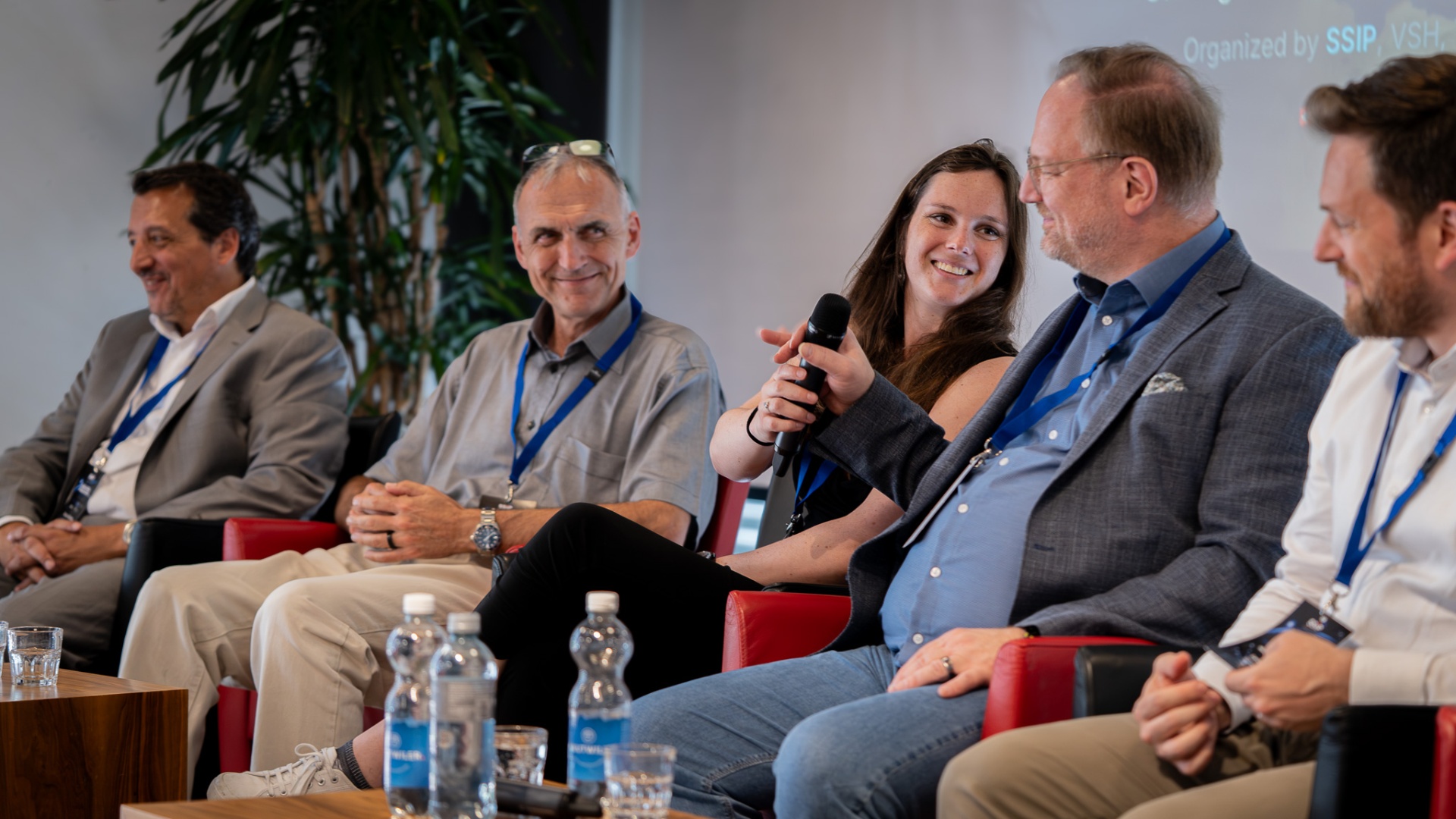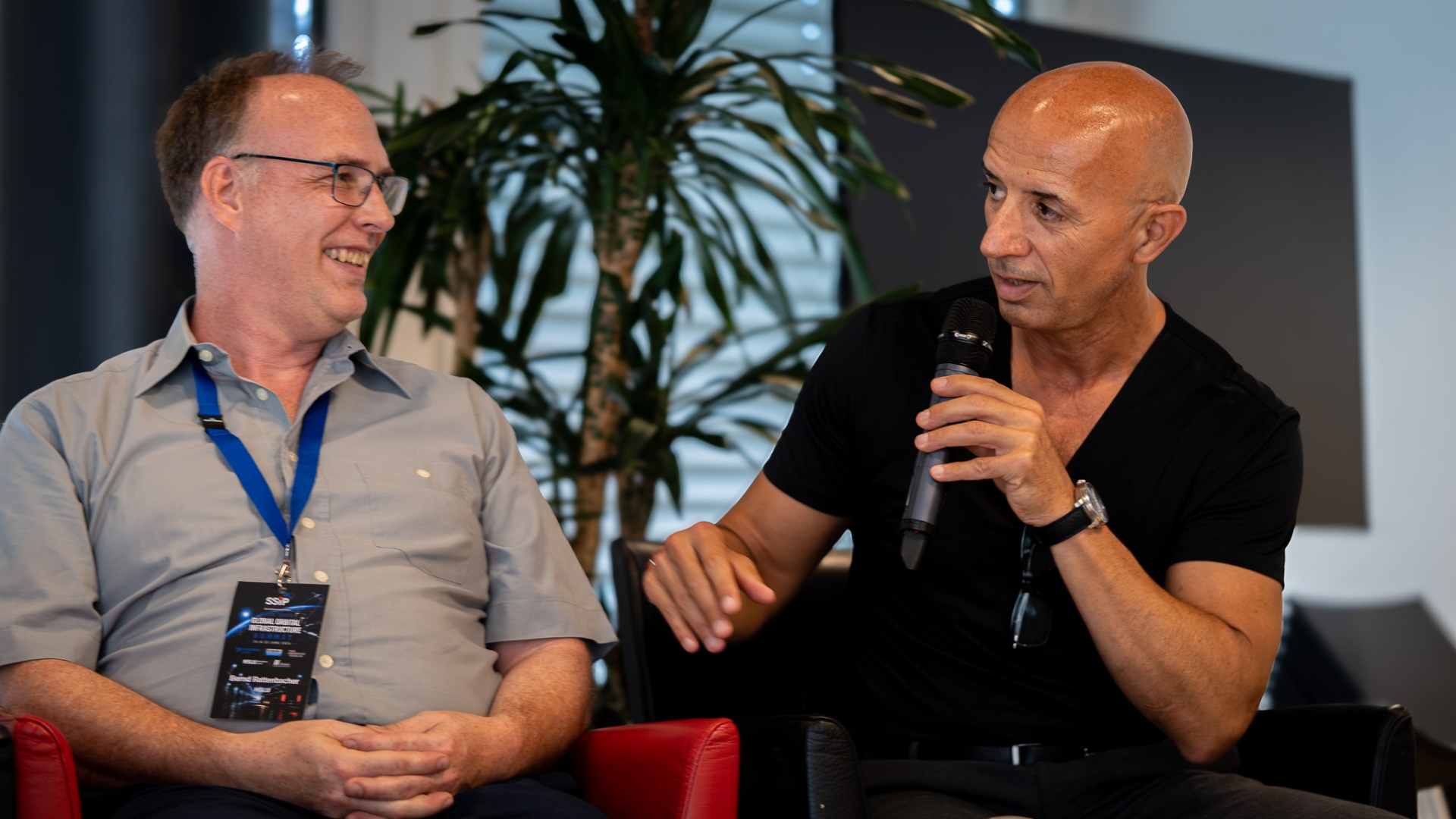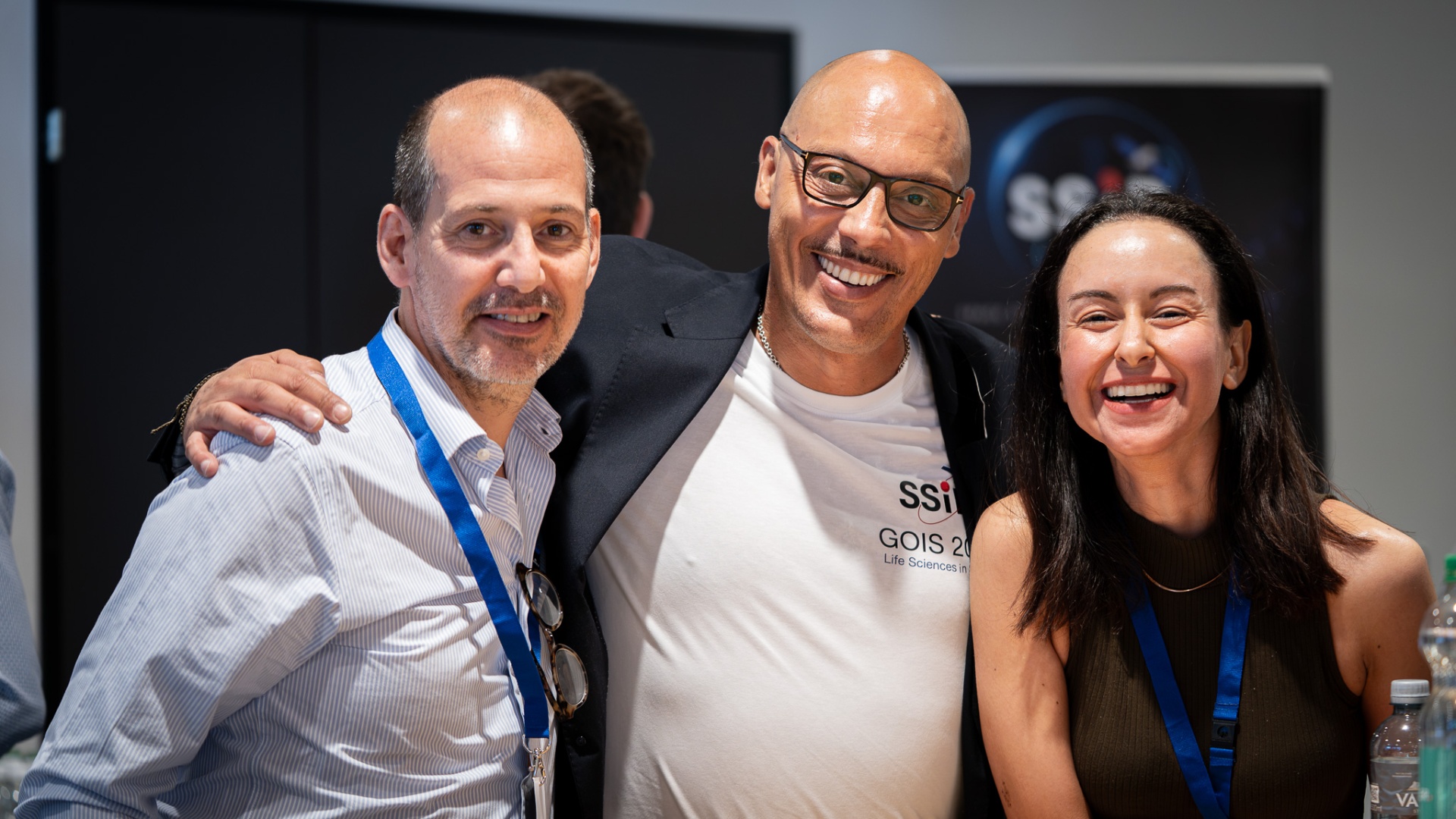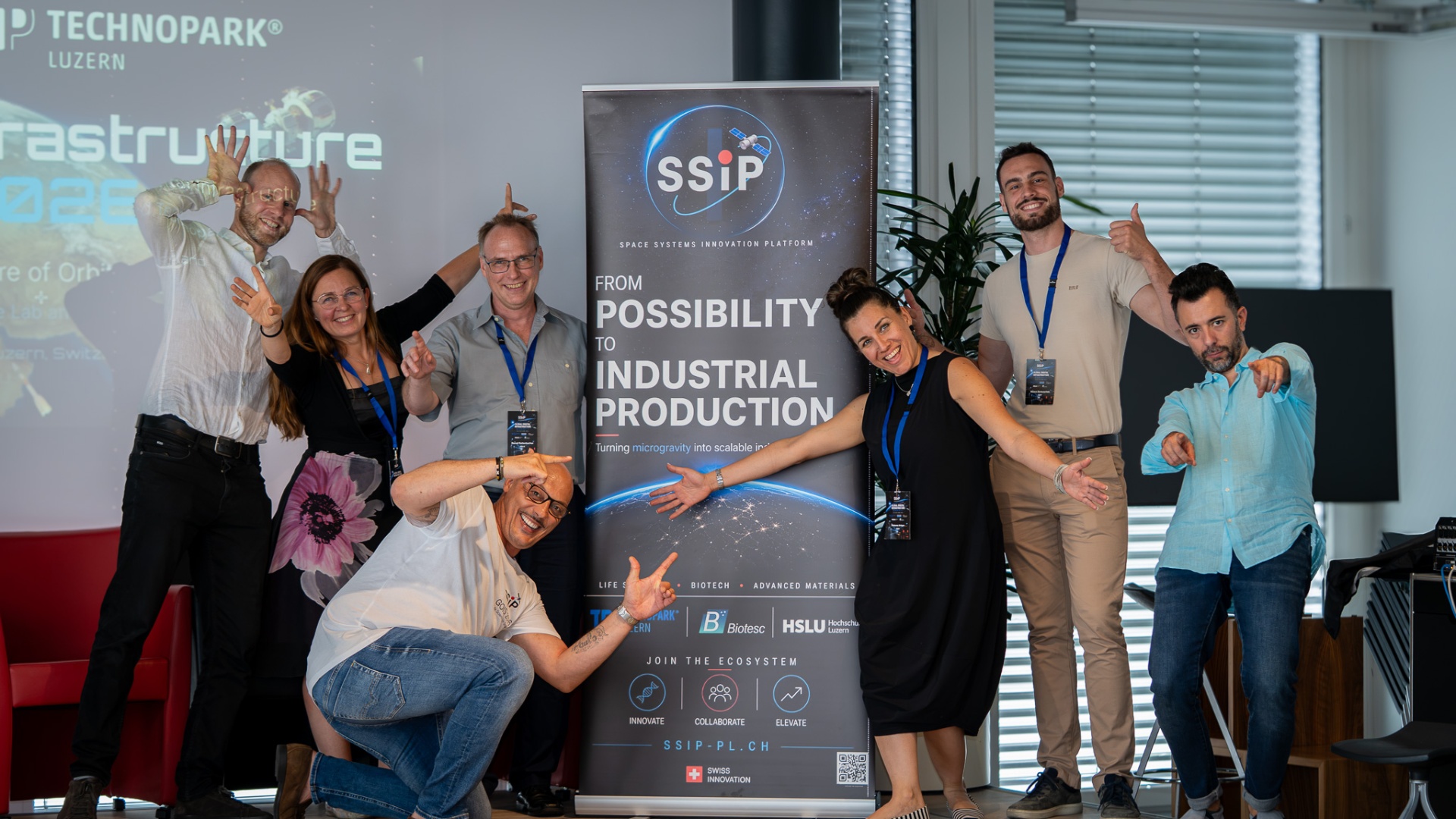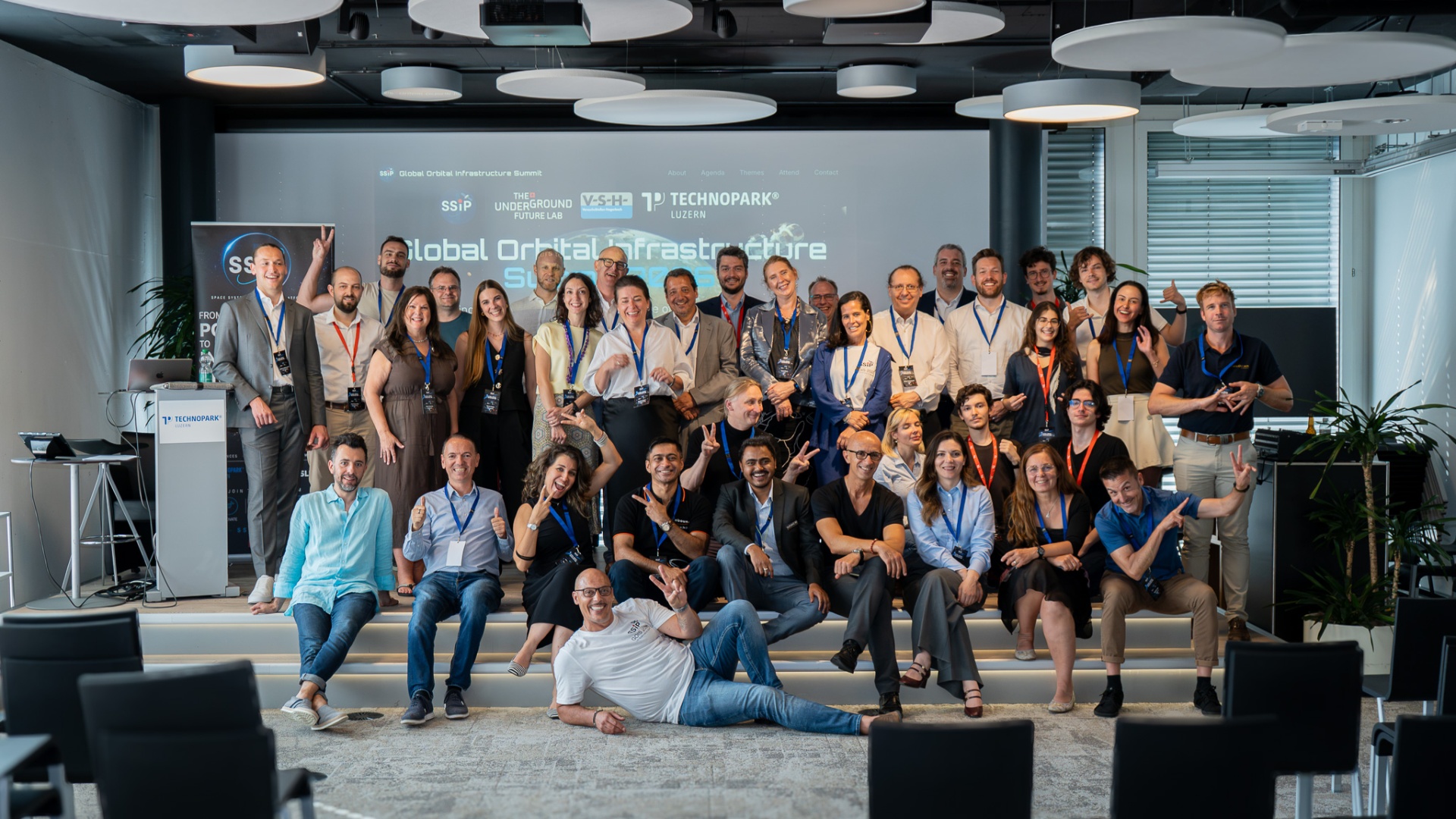
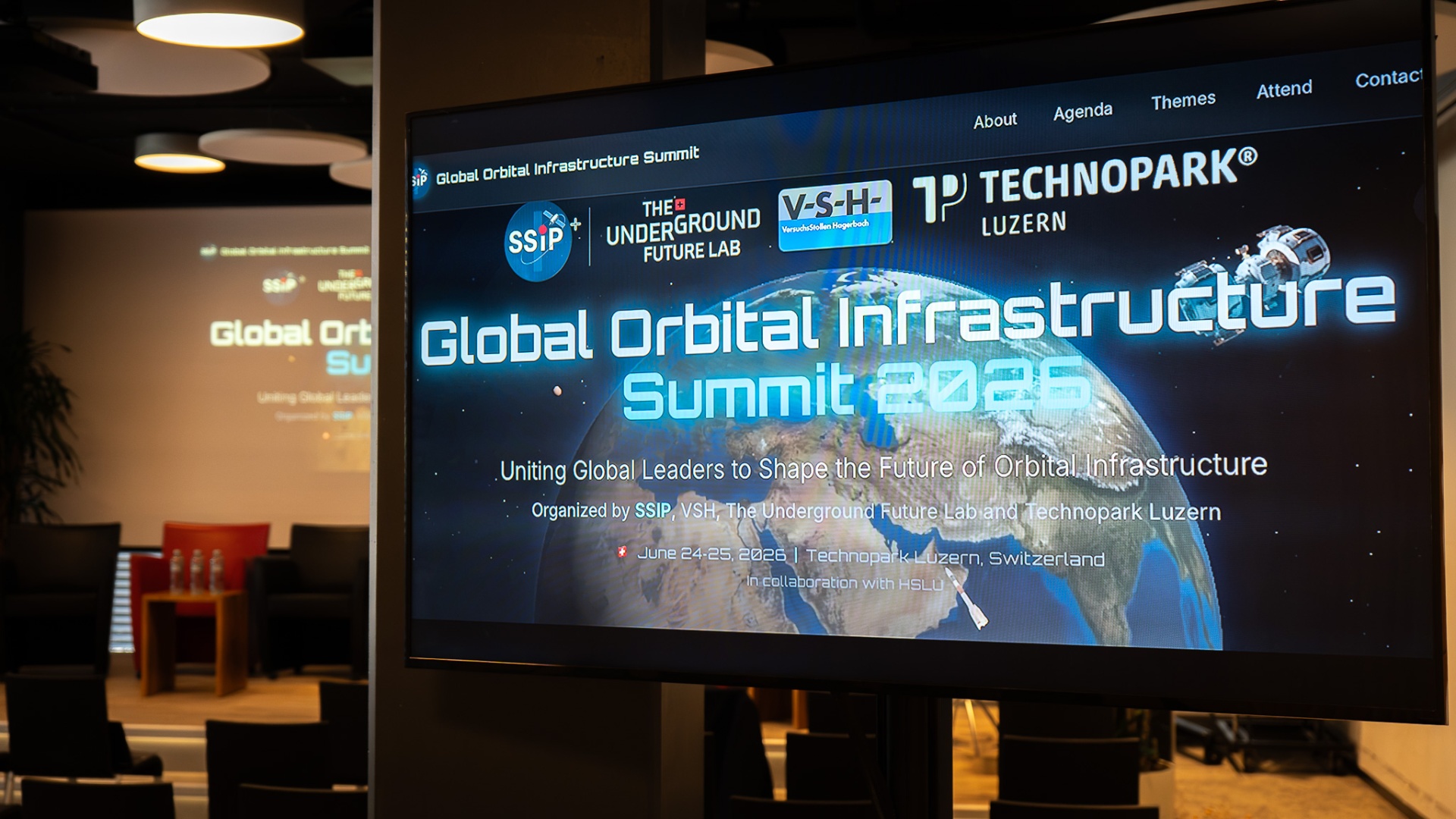
On 24 and 25 June 2026, decision-makers from the international space, advanced manufacturing, life-sciences and deep-tech sectors gathered at Technopark Luzern in Root for the Global Orbital Infrastructure Summit — GOIS 2026.
Initiated and led by the Space Systems Innovation Platform (SSIP), the summit was developed as a focused working environment rather than a conventional large-scale conference. It brought together more than 50 participants from at least 27 organisations, with representatives connected to Europe, Asia, North America and Australia.
The organisations represented included international and Swiss actors such as Voyager Technologies, ATMOS Space Cargo, the Australian National University, Beyond Gravity, HSLU Lucerne University of Applied Sciences and Arts, maxon, Swiss Fibertec, Syngenta, CSEM, Inbound Aerospace, Space Philic, AkashaLabdhi, SAB Space Logistics, Lazzero Tecnologie, Inventicia, Tipalo and Switzerland Global Enterprise.
More than a conference
The GOIS format was deliberately structured around interaction and follow-up.
The first day included an executive industrial visit to the VersuchsStollen Hagerbach Underground Future Lab, enabling international participants to experience a distinctive Swiss testing and innovation environment while discussing future infrastructure, engineering and research applications.
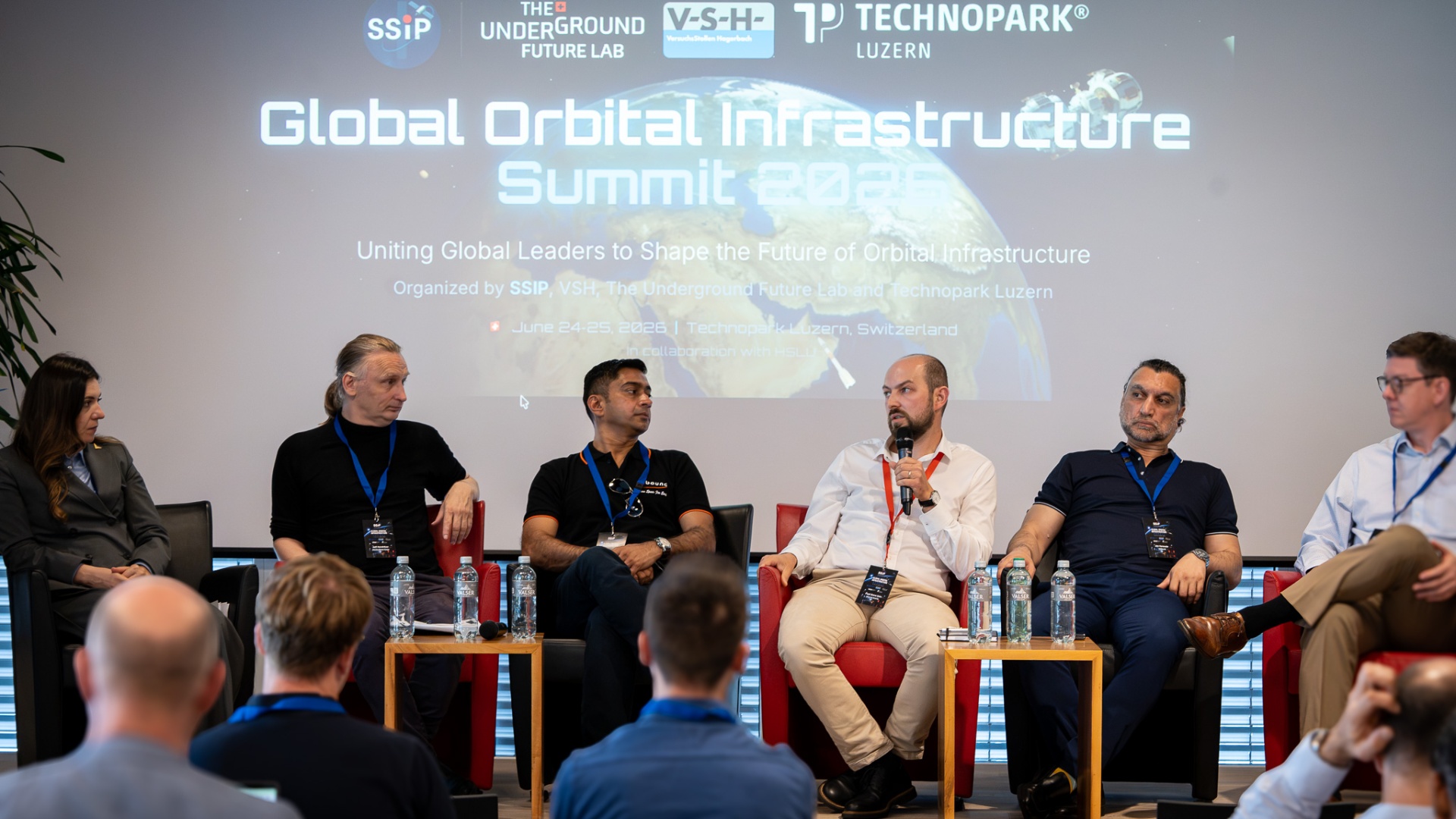
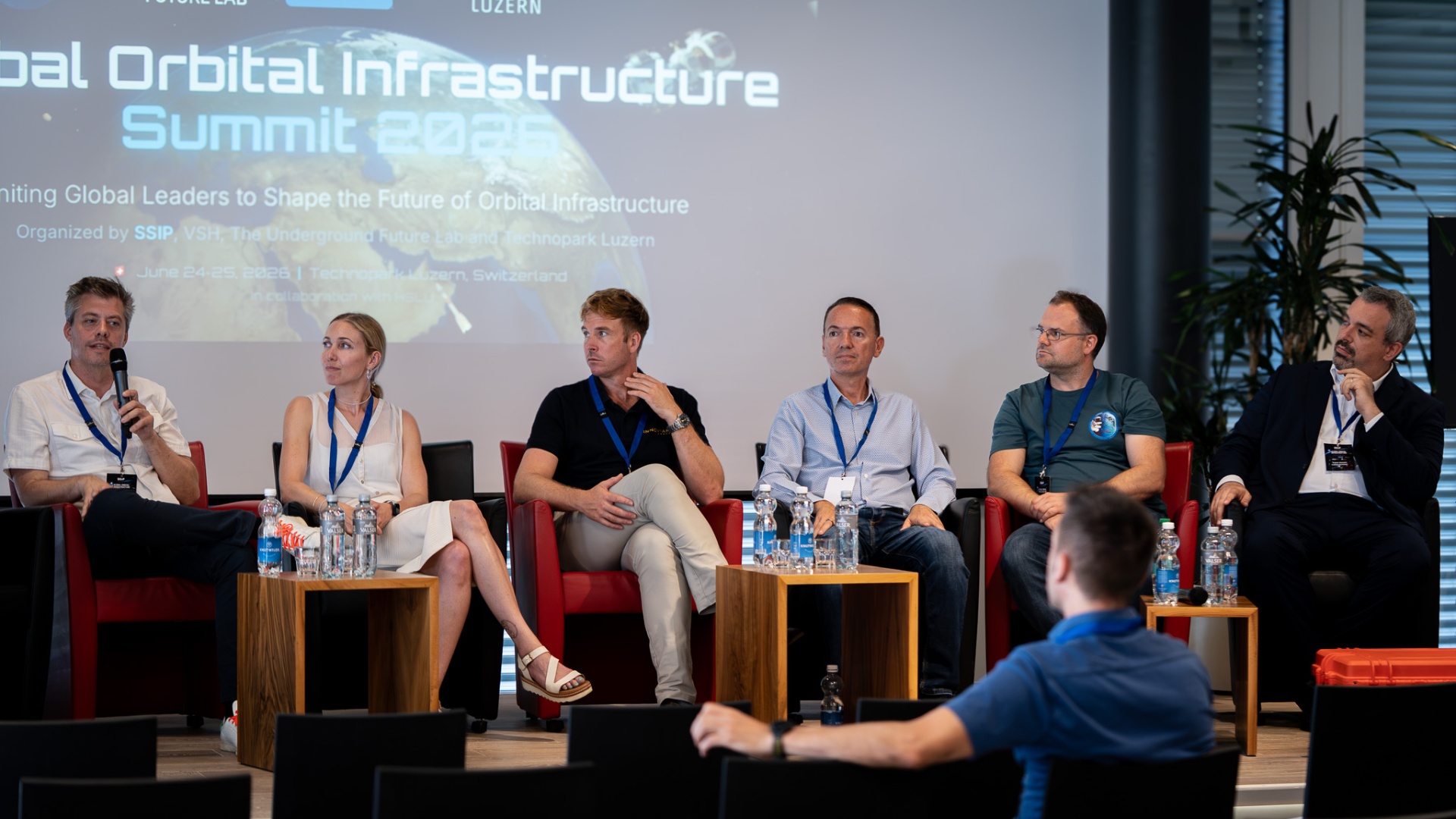
The main summit day at Technopark Luzern combined five strategic panel discussions, 12 technology and company presentations, four executive meeting rooms, bilateral discussions and structured B2B matchmaking.
The programme covered orbital infrastructure, commercial space stations, microgravity research, space-enabled biotechnology, advanced manufacturing, robotics, artificial intelligence, industrial logistics, regulation and international cooperation.
A particular highlight was the Swiss Industry Panel, which provided international participants with a direct view of Switzerland's capabilities in precision engineering, research, manufacturing and technology development. Rather than presenting space as an isolated sector, the discussion demonstrated how existing Swiss industrial strengths can contribute to the emerging orbital economy.
Connecting international companies with Lucerne
Lucerne Business played an active role in translating international interest into practical economic-development discussions.
Together with Switzerland Global Enterprise, Lucerne Business provided private meetings for companies interested in understanding the Swiss market, identifying suitable local partners and examining possibilities for establishing, expanding or developing activities in Switzerland and the Canton of Lucerne.
This was an important component of the summit. International visibility alone does not automatically generate economic value. Companies also require access to reliable information, relevant contacts, research capabilities, potential industrial partners and a clear understanding of the regional business environment.
By integrating these services directly into the GOIS programme, Lucerne Business helped transform an international summit into a practical interface between global companies and the regional economy.
Five concrete collaboration tracks
The most important measure of GOIS is not simply how many people attended, but what continued after the event.
Based on the follow-up work initiated or advanced around the summit, five concrete international collaboration tracks are now in active development. These should not all be understood as contracts concluded during the two-day event. Some relationships had already been initiated and were significantly strengthened through the face-to-face discussions in Lucerne.
Inbound Aerospace
Developing reusable orbital logistics and payload-return capabilities for microgravity research and in-space manufacturing. Following its participation in GOIS, the company and SSIP continued discussions on future orbital-infrastructure activities, and Inbound Aerospace is now publicly recognised within the SSIP partner ecosystem.
Voyager Technologies
Represented during GOIS, entered a structured strategic follow-up with SSIP concerning potential cooperation in orbital infrastructure, access pathways and the connection of Swiss research and industrial users with future commercial space capabilities. These discussions remain subject to the relevant commercial and legal processes.
Australian National University — Institute for Space
Used its presence in Lucerne to explore Swiss–Australian opportunities in areas including microgravity research, optical communications, Earth observation, bushfire mitigation and data-related applications. The relationship demonstrates how GOIS can connect internationally recognised academic capability with Switzerland's applied-research and industrial ecosystem.
MER Root Lab
A Mexican life-sciences and biotechnology organisation, developing cooperation opportunities with SSIP across biotechnology, regenerative research, human performance and future-oriented research programmes. GOIS provided a platform to connect this collaboration with the wider Swiss and European innovation environment.
Space Philic
An Indian aerospace company that had already established a strategic cooperation framework with SSIP before the summit. Its participation in GOIS strengthened that relationship by providing access to European industry actors, investors and potential partners and by creating further opportunities between the Swiss and Indian space ecosystems.
Additional discussions with other participating organisations remain in different stages of evaluation and are therefore not included in this count.
Why Lucerne is a credible location
The relevance of GOIS for Lucerne lies in the convergence between the future orbital economy and capabilities that already exist in the region.
The Canton of Lucerne has an established base in advanced manufacturing, life sciences, medical technology and information and communications technology. These are precisely the sectors that are increasingly becoming relevant to commercial space activity.
Orbital infrastructure requires far more than launch vehicles. It depends on precision components, robotics, sensors, software, autonomous systems, materials, life-support technologies, biotechnology, logistics and highly reliable manufacturing.
Lucerne also benefits from the specialised capabilities of HSLU and BIOTESC. BIOTESC supports biological experiments and scientific infrastructure aboard the International Space Station and connects local research knowledge with international space operations. HSLU additionally operates laboratories and ground-based facilities for biological and microgravity-related research.
These capabilities create a credible foundation for connecting the Canton's existing economic strengths with emerging applications in microgravity-enabled research, orbital manufacturing and space-based life sciences.
Lucerne Business identifies advanced manufacturing, life sciences and ICT as important elements of the regional economy. GOIS demonstrated how these sectors can increasingly interact through a new international industrial context.
Building a long-term economic platform
GOIS 2026 did not claim to create a new industrial sector in two days. Its contribution was more practical.
It brought international decision-makers to Lucerne, exposed them to Swiss industrial and research capabilities, created direct access to economic-development organisations and established a defined pipeline of partnerships, research discussions and potential market-entry opportunities.
The summit also supported the continued development of the proposed Space BioDistrict Lucerne: a capability-driven ecosystem intended to connect laboratories, research institutions, industrial companies, startups, international partners and future orbital platforms.
"The value of GOIS is not measured only by the number of presentations or participants. It is measured by the relationships that continue afterwards as research projects, industrial partnerships and new opportunities for Lucerne and Switzerland."
The first edition of GOIS showed that Lucerne can provide more than an attractive event location. It can offer a neutral and well-connected environment in which international organisations encounter applied research, Swiss engineering, economic-development expertise and potential industrial partners.
For the Canton of Lucerne, this represents a realistic opportunity: not to compete by attempting to reproduce the largest international space centres, but to become a trusted location where specialised capabilities, companies and international ecosystems are connected efficiently.
GOIS 2026 was an important first step in that direction — bringing global expertise to Lucerne and converting international dialogue into concrete collaboration.