The pharmaceutical industry invests enormous resources in discovering new medicines, developing medical devices and advancing increasingly sophisticated technologies.
Yet one of the most important sources of expertise in healthcare innovation is neither found in a laboratory nor represented by an engineering specification.
It is the patient.
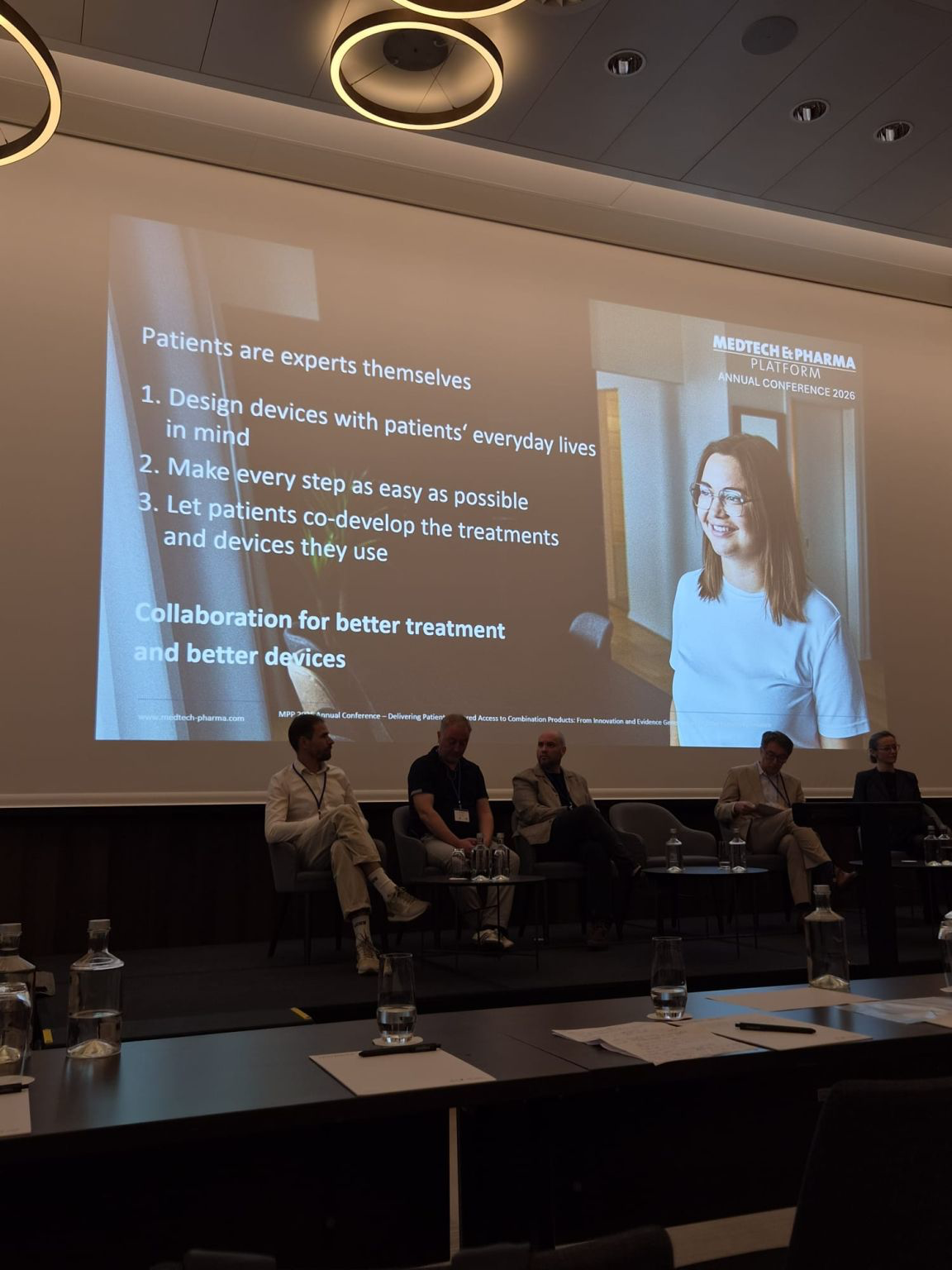
“Patients are experts themselves.”
The statement, displayed during the opening discussions at the Medtech & Pharma Platform Association Annual Conference 2026 in Basel, captured a challenge facing an industry where technological progress does not always translate seamlessly into everyday patient experience.
A treatment may demonstrate clinical efficacy. A medical device may satisfy its technical specifications. A connected healthcare platform may function exactly as designed.
But none of these achievements automatically means that a solution fits the life of the person expected to use it.
That distinction was at the heart of the conference held on 22 September at the Mövenpick Hotel in Basel, bringing together representatives from pharmaceutical and medical technology companies, regulatory authorities, patient organisations and the wider healthcare innovation ecosystem.
According to SSIP’s account of the conference, Paulo Pinheiro, Managing Director of Switzerland’s Space Systems Innovation Platform (SSIP®), attended at the invitation of Medtech & Pharma Platform Association President Shayesteh Fürst-Ladani.
For an organisation working at the intersection of space technologies, life sciences and industrial innovation, the conference offered an important perspective on what should ultimately drive emerging scientific and technological developments.
Healthcare's Most Important Design Partner
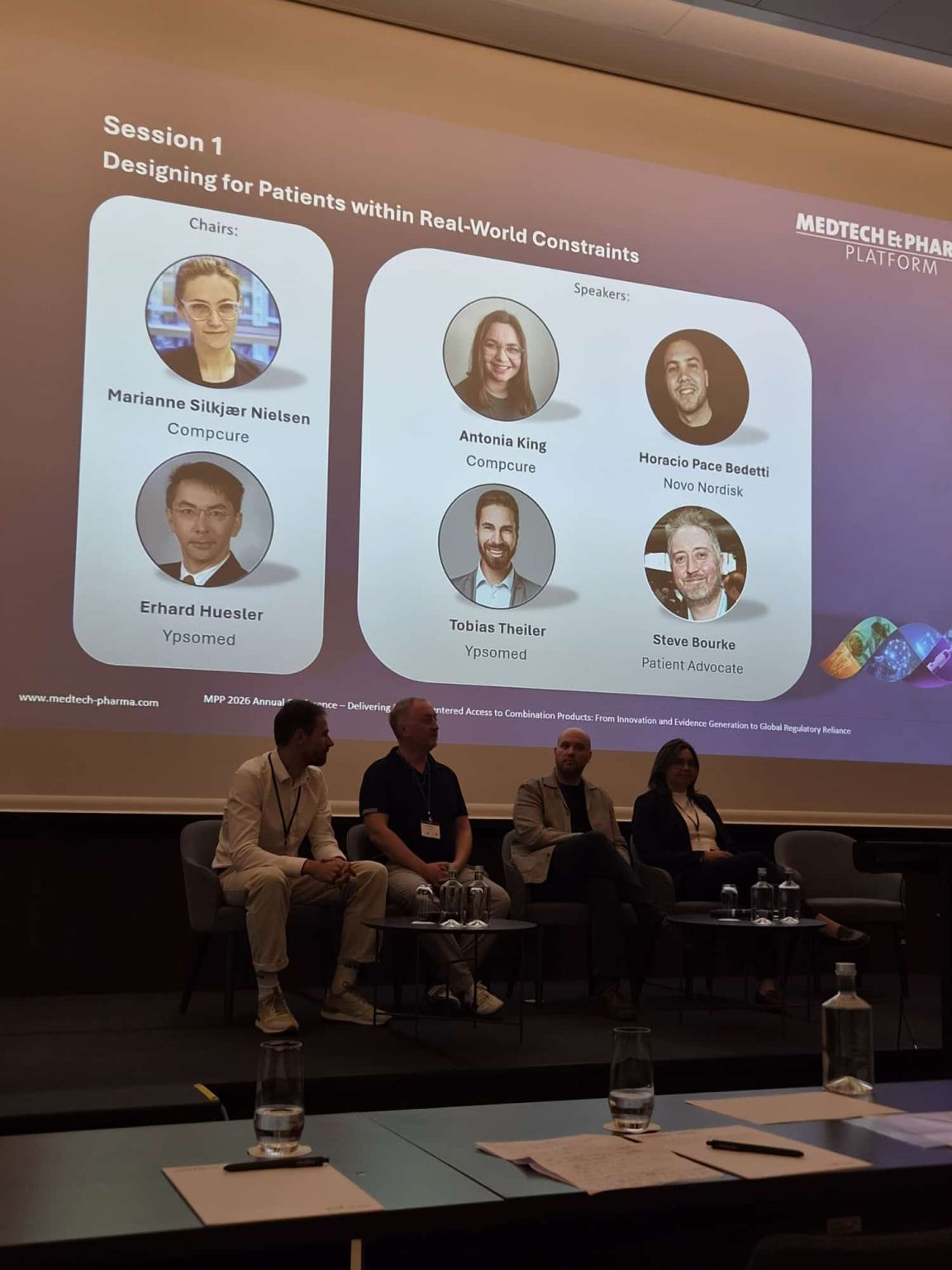
The opening session, Designing for Patients within Real-World Constraints, challenged the idea that patient-centred innovation can be achieved simply by seeking feedback once a treatment or device has already been developed.
Chaired by Marianne Silkjær Nielsen of CompCure and Erhard Huesler of Ypsomed, the session included contributions from Antonia King of CompCure, Horacio Pace Bedetti of Novo Nordisk, Tobias Theiler of Ypsomed and patient advocate Steve Bourke.
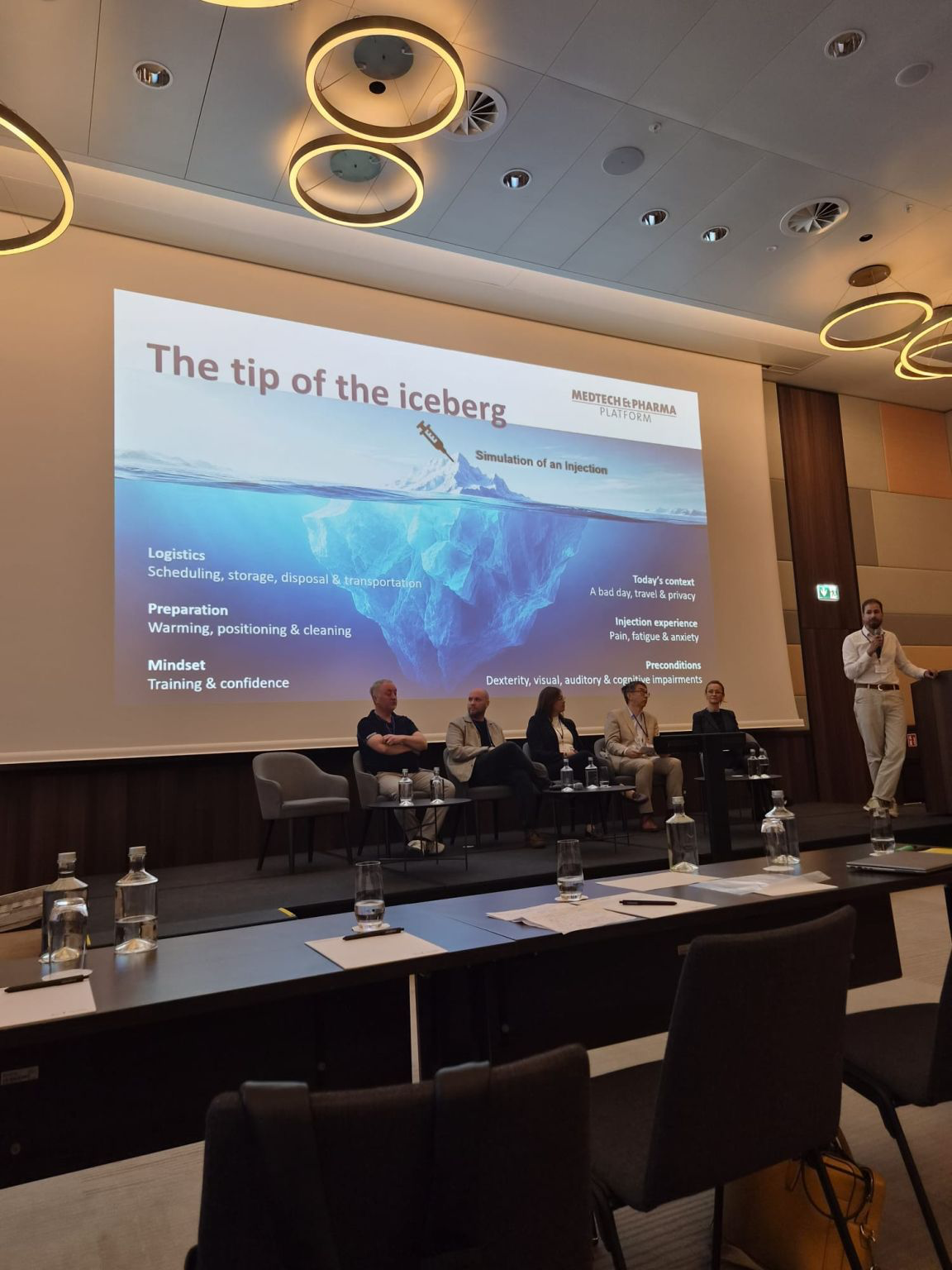
The discussion examined the realities surrounding diagnosis, treatment and ongoing monitoring.
Those realities can include pain, fatigue, anxiety, limited dexterity, cognitive difficulties, training requirements and the practical burden of managing treatment in everyday life.
Such factors may appear secondary when compared with a product's scientific or engineering complexity.
For patients, they can be decisive.
A treatment that is difficult to administer may create barriers to use. A medical device that requires complicated training may introduce unnecessary dependence on healthcare professionals. A technically advanced monitoring system may provide limited practical value if it does not fit into a patient's daily routine.
The challenge is therefore broader than designing a medicine or device that works.
It is designing a healthcare solution that people can realistically use.
Ypsomed's contribution, addressing the transition from hospital-based treatment towards patient self-care, illustrated why human factors matter throughout development.
As more treatments move into patients' homes, usability, confidence, reliability and practical accessibility become integral parts of product design.
Patient involvement, in this context, is not a final validation exercise.
It is a source of information that should influence development decisions from an early stage.
Why Scientific Innovation and Patient Value Are Not the Same Thing
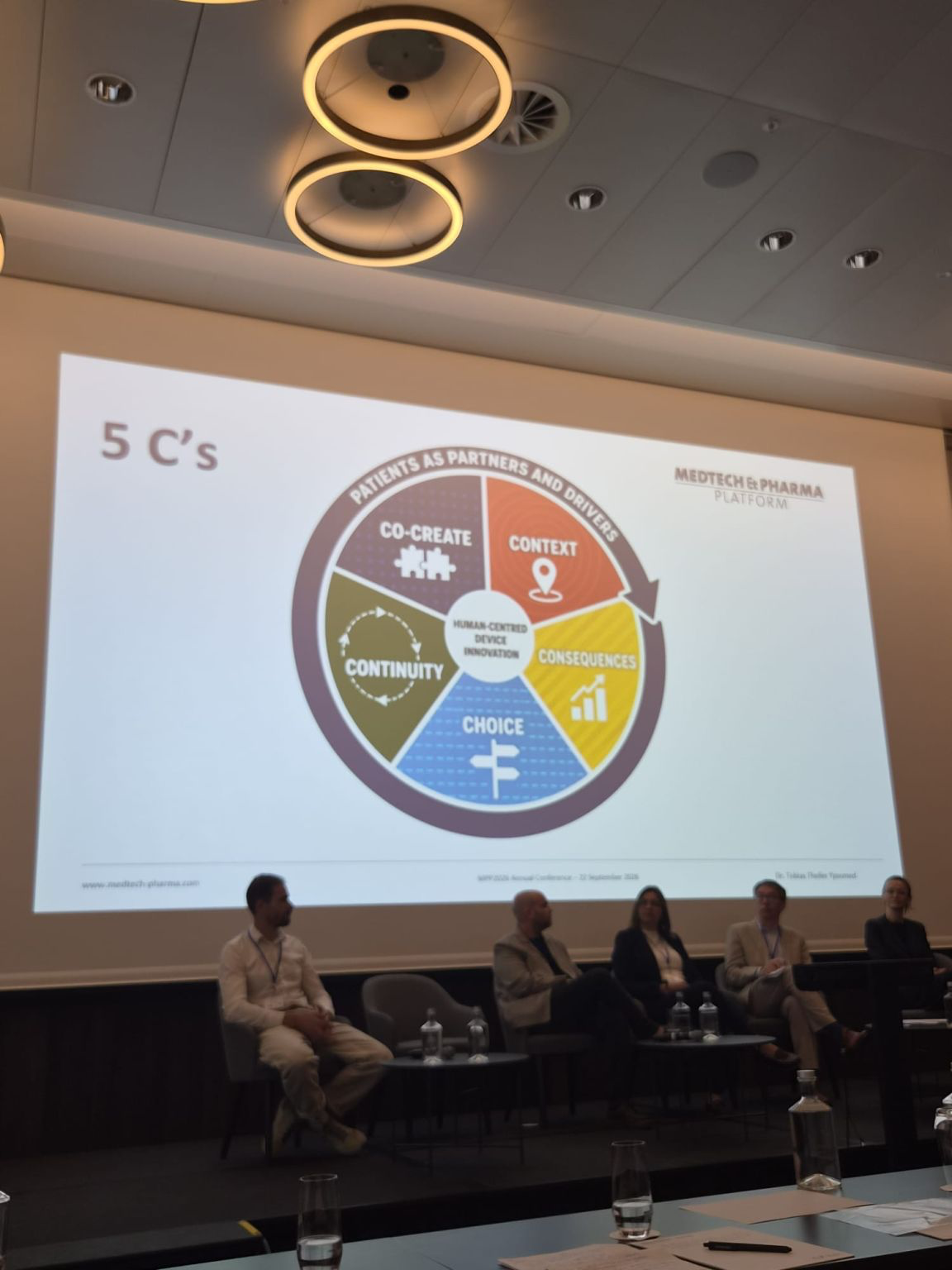
The conference's broader theme — delivering patient-centred access to combination products — reflected the increasing complexity of modern healthcare.
Medicinal products, medical devices, diagnostics, software and connected technologies are becoming more closely integrated.
Developing these combinations involves more than achieving technical compatibility.
Clinical evidence, usability, regulatory requirements, manufacturing processes and lifecycle responsibilities must also be addressed.
An innovative product can fail to deliver meaningful value if those considerations are introduced too late.
This challenge is already recognised by regulatory authorities.
The US Food and Drug Administration has developed methodological guidance for incorporating patient experience into drug development and regulatory decision-making.
The European Medicines Agency has similarly examined how patient perspectives can contribute to the evaluation of medicines and the identification of outcomes that matter to people living with disease.
Both approaches reinforce a principle increasingly relevant to healthcare innovation: patient experience can provide evidence that technical performance measurements alone do not capture.
But patient-centred development is not a substitute for scientific rigour.
It must operate alongside robust clinical evidence, appropriate risk assessment and clearly defined regulatory requirements.
The objective is to connect these disciplines rather than treat them as separate stages.
From Regulation to Real-World Implementation
The Basel programme reflected this complexity.
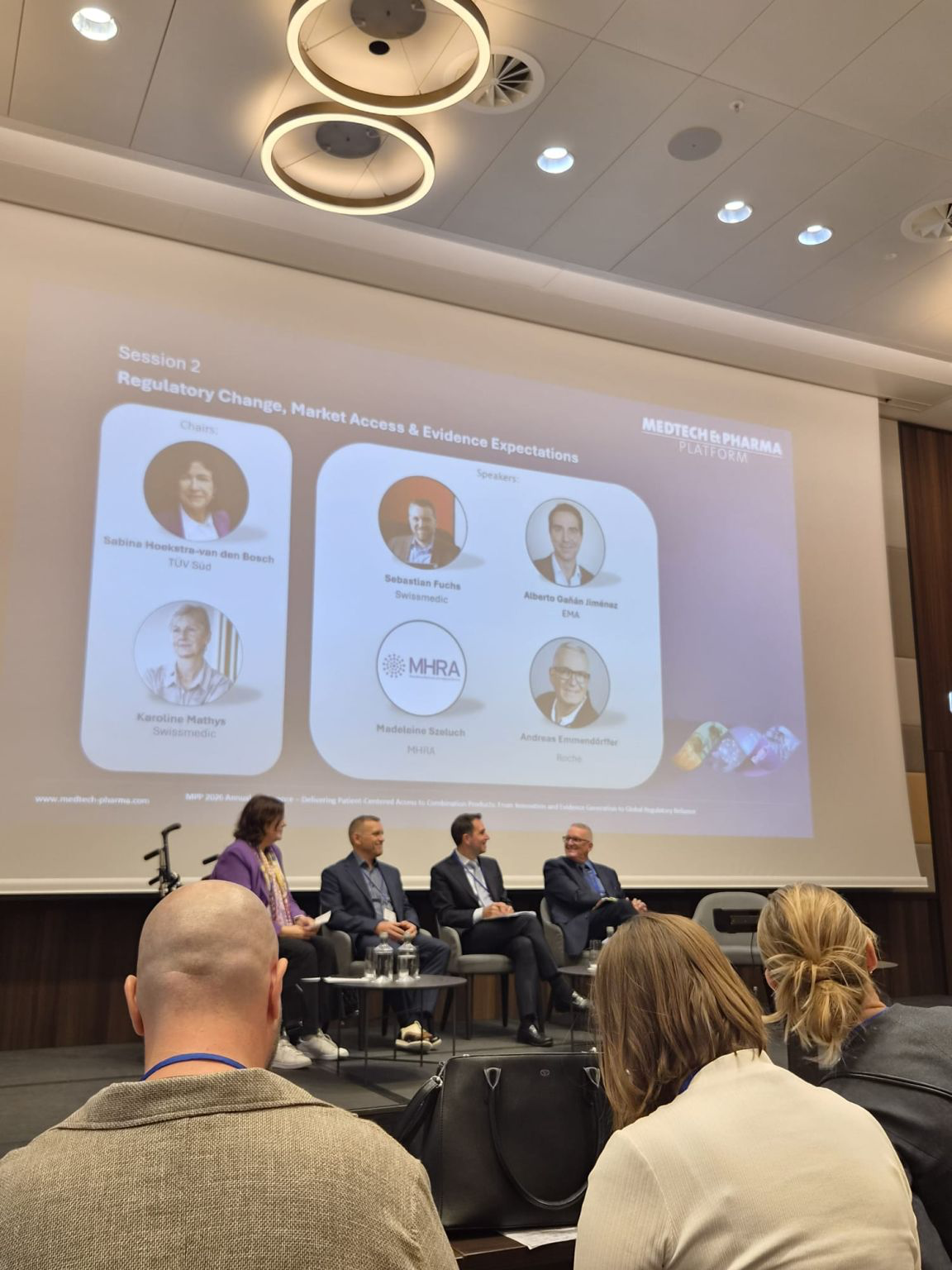
Discussions moved from patient experience and human factors to regulatory change, international reliance, evidence expectations and the development of increasingly sophisticated combination products.
Participants included representatives from Swissmedic, the US Food and Drug Administration, the European Medicines Agency, the European Commission, the UK's Medicines and Healthcare products Regulatory Agency, EUPATI and major healthcare technology companies.
A regulatory session addressed the challenges of coordinating different frameworks while maintaining scientific robustness and timely access to medical innovation.
The programme subsequently examined future approaches to drug-device development, including the integration of artificial intelligence, connected technologies, software and diagnostics.
For companies developing complex healthcare solutions, these issues are deeply interconnected.
A technology may satisfy an engineering requirement while raising new questions concerning clinical use, data management, cybersecurity, human factors or regulatory classification.
Introducing these considerations only after a product has been substantially developed can create expensive and time-consuming problems.
The implication is clear: successful innovation requires scientific, technical, regulatory and patient perspectives to be brought together much earlier.
What This Means for the Emerging Space Biotechnology Industry
For SSIP, the discussions in Basel have particular relevance to the development of microgravity-enabled life sciences.
Access to space is opening new experimental possibilities in fields including protein crystallisation, cell biology and materials research.
Under microgravity conditions, certain physical processes behave differently from those observed under normal terrestrial gravity.
Researchers can use these differences to investigate mechanisms that may be difficult to isolate or characterise on Earth.
That scientific opportunity is meaningful.
But it also introduces a risk of confusing an unusual experimental environment with a valuable healthcare application.
A successful experiment aboard an orbital platform does not automatically produce a clinically relevant discovery.
An observation that is scientifically interesting does not necessarily lead to a better treatment.
And a technological capability that demonstrates what is possible in space still needs to establish why its findings matter on Earth.
This is where the principles discussed at the Medtech & Pharma Platform conference become particularly important.
Before defining a microgravity experiment, researchers and industrial partners should consider the underlying medical or pharmaceutical problem.
What limitation in the current development process is the experiment intended to address?
What evidence would establish that the different gravitational environment provides useful scientific information?
How would the results influence subsequent development decisions?
And if the work is intended to contribute to a future healthcare product, what patient-relevant benefit might ultimately justify the investment?
These questions do not diminish the importance of space research.
They help establish the conditions under which that research can become relevant to industry and society.
The Missing Connection Between Space Research and Healthcare Development
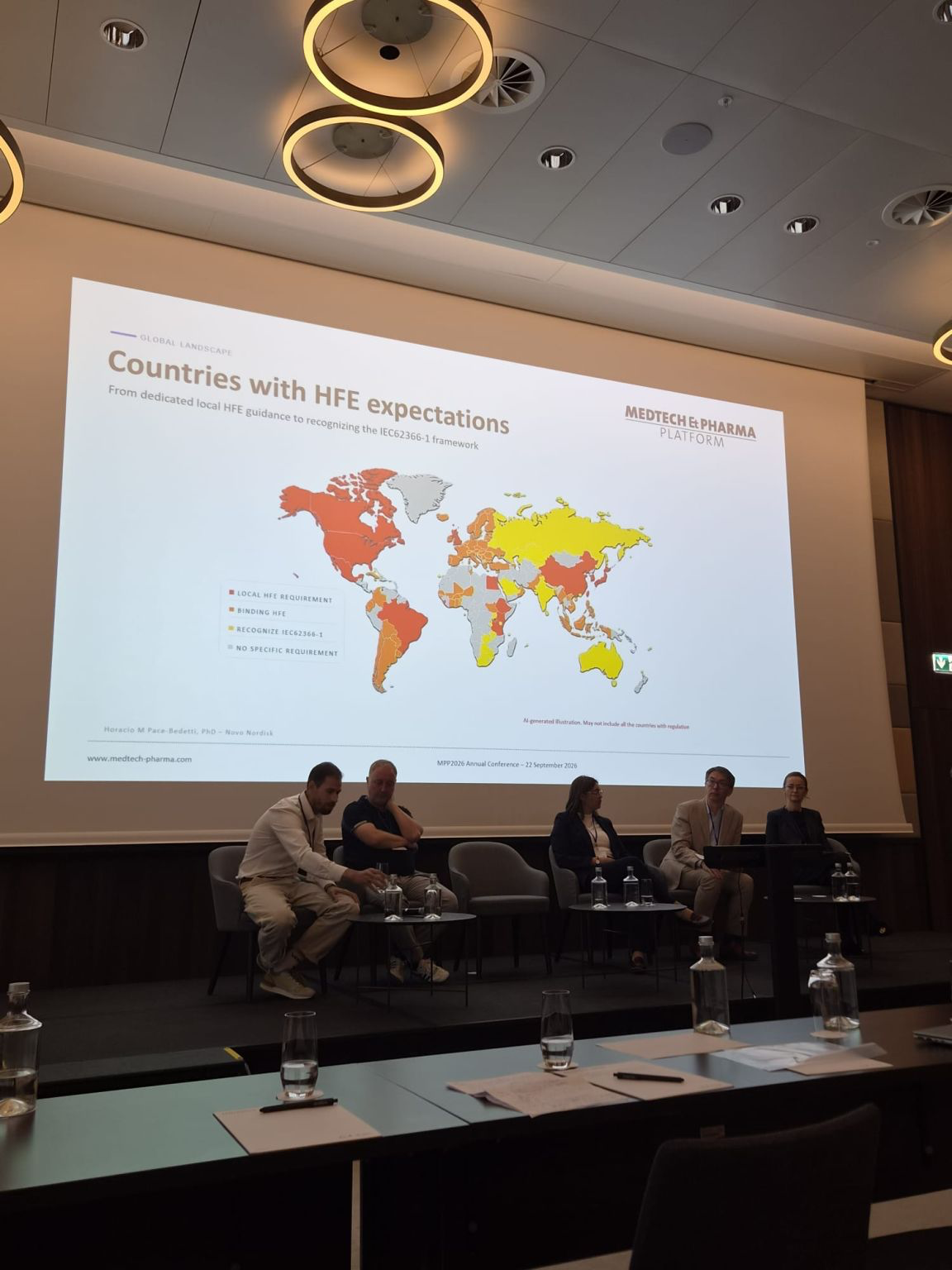
Space-enabled biotechnology requires several disciplines that do not traditionally work together.
Biologists and pharmaceutical scientists define experimental objectives.
Engineers develop the hardware and operational systems needed to conduct experiments.
Space infrastructure providers address integration, environmental requirements, mission operations and, where necessary, sample return.
Analytical specialists interpret the resulting data.
Industry partners assess whether the findings justify further development.
For healthcare-oriented applications, patient considerations and regulatory strategy may also need to enter this process considerably earlier than they have in traditional space research programmes.
The difficulty is not simply scientific or technical.
It is organisational.
Different sectors operate with different priorities, development cycles, risk frameworks and definitions of success.
A space mission may be considered successful when an experiment is completed and data are returned.
A pharmaceutical development programme may require reproducible evidence supporting a specific scientific or product-development decision.
A patient ultimately experiences neither the spacecraft nor the experimental apparatus.
The patient experiences the consequences of the technology that eventually reaches healthcare.
Connecting these perspectives is central to SSIP's approach.
As an independent Swiss non-profit association headquartered at Technopark Luzern, SSIP works to connect research institutions, industrial organisations and technology partners around structured applied innovation initiatives.
In microgravity life sciences, this means encouraging collaboration around clearly defined scientific questions, appropriate experimental pathways and credible opportunities for industrial translation.
The organisation does not develop medicines or certify medical products.
Its role is to help bring together the complementary capabilities required to investigate opportunities systematically.
The Real Frontier Is Not Necessarily in Orbit
The convergence of pharmaceutical science, medical technology, digital systems and space-based experimentation is creating new research possibilities.
But technological ambition must remain connected to evidence and practical purpose.
The discussions at the Medtech & Pharma Platform Annual Conference offered a reminder that the success of healthcare innovation cannot be measured by technological sophistication alone.
Patient participation needs to be meaningful.
Scientific evidence must be robust.
Regulatory considerations must be addressed.
And the pathway from research to application must remain credible.
For emerging fields such as microgravity biotechnology, this creates an opportunity to build patient and industrial relevance into projects from the beginning, rather than attempting to establish it after the experiment has already taken place.
The challenge is not to make every space experiment immediately applicable to healthcare.
Fundamental research has value even when its applications are not yet known.
The challenge is to recognise when an investigation is being developed with a potential medical or pharmaceutical application in mind, and to structure that work accordingly.
The strongest future applications may emerge where scientific curiosity, engineering capability, industrial requirements and patient needs are considered together.
For SSIP, the Basel conference reinforced a straightforward principle.
Space may provide a different environment for research. But when the objective is better healthcare, the patient must remain the destination.
Conference details
Medtech & Pharma Platform Annual Conference 2026
22 September 2026 · Mövenpick Hotel, Basel, Switzerland
Sources & context
This report draws on SSIP’s supplied conference account and photographs, the official event programme and public regulatory guidance. Paulo Pinheiro’s attendance and invitation are reported by SSIP. Discussion of microgravity biotechnology is editorial analysis, not evidence of clinical benefit, regulatory approval or a concluded development partnership.
About SSIP
SSIP® is an independent Swiss non-profit association headquartered at Technopark Luzern, connecting industry, research institutions and international partners to structure applied innovation initiatives.
Discuss a technical or industrial challengeWas this article useful?
Your feedback helps us improve SSIP Insights.
Share it with your network.