The space industry is exceptionally good at making announcements.
New partnerships. New platforms. New technologies. New ambitions to transform the way humanity works beyond Earth.
The harder question is what happens next.
Who engineers the hardware? Who supplies the components? Where are technologies tested? How does scientific research become a funded programme? And who takes responsibility for connecting the organisations that must work together to deliver it?
For Switzerland's Space Systems Innovation Platform (SSIP), September 2026 brought those questions into sharper focus.
Over the course of the month, the independent Swiss non-profit association strengthened its engagement with India's private space industry, participated in international discussions on healthcare innovation and advanced preparations for its next major technology challenge in Lucerne.
At the centre of that activity was an increasingly connected group of organisations spanning launch technology, orbital infrastructure, microgravity research, spacecraft recovery, industrial engineering and international market access.
The names included Space Philic, AkashaLabdhi, Inbound Aerospace, SIA-India and the CoE SpaceTech Foundation.
Together, they reflect an important development in the emerging commercial space economy: the opportunity is no longer confined to individual spacecraft or launch systems.
It increasingly lies in connecting the technologies, people and industrial capabilities required to support them.
A September Mission With an Industrial Purpose
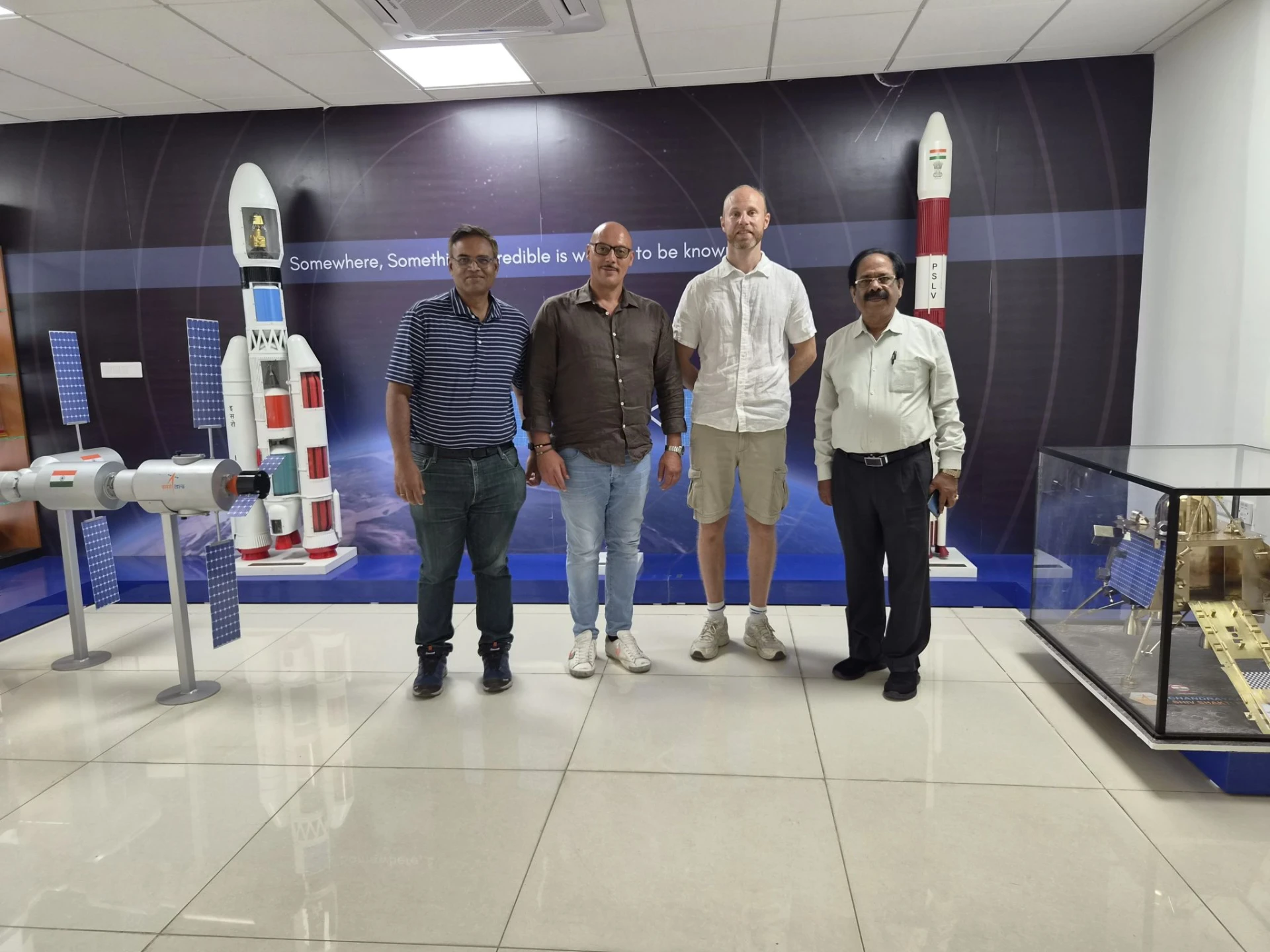
From 6 to 12 September, SSIP joined Lucerne University of Applied Sciences and Arts (HSLU/BIOTESC) and Inventicia for an independently organised Space and Deep-Tech Mission to India.
The mission brought together Paulo Pinheiro, Managing Director of SSIP; Dr. Bernd Rattenbacher, representing HSLU/BIOTESC; Rylan Coury, whose experience spans biotechnology, space systems and supply chains; and Debraj Dasgupta, Founder of Inventicia and an experienced international pharmaceutical industry executive.
Their backgrounds represented a deliberate combination of expertise.
Space engineering. Biological research. Industrial operations. Commercial development.
The group travelled to engage directly with Indian companies, research organisations and innovation institutions, building on relationships established through earlier exchanges and international events.
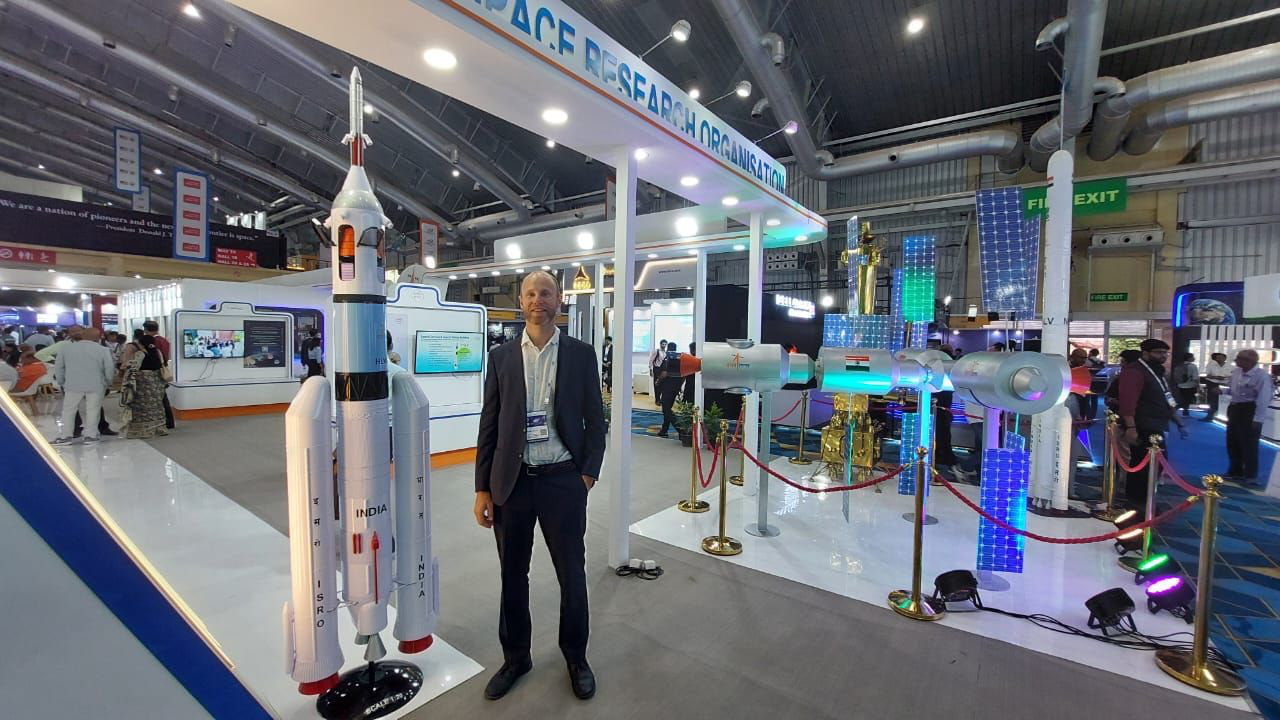
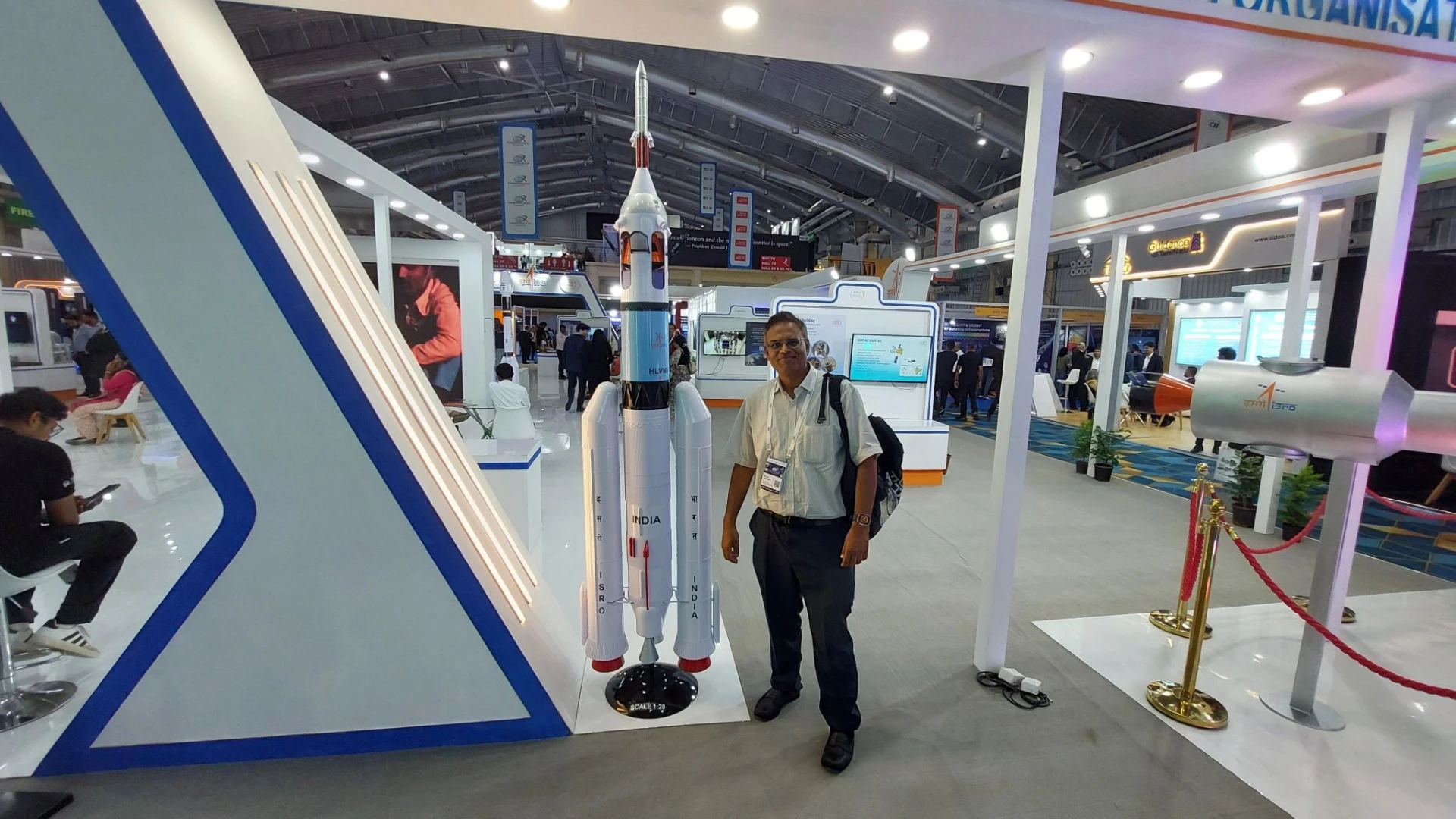
A central milestone was Bengaluru Space Expo 2026, held from 7 to 9 September at the Bangalore International Exhibition Centre.
On 8 September, Pinheiro participated in the panel Europe–India Space Connect: Building Partnerships for the NewSpace Economy, discussing how international collaboration could support technology development, investment, industrial partnerships and market access.
The participation also provided an opportunity to engage with the wider industry around a shared challenge: moving from bilateral interest towards technically and commercially meaningful programmes.
The mission was independent and carried no governmental mandate. Swissnex in India, the Consulate General of Switzerland and the Swiss Business Hub India contributed to the wider environment for international engagement.
That distinction reflects the nature of SSIP's work.
It does not represent a national space agency or a government programme. It operates as a platform connecting research, industry and international organisations around potential applied innovation initiatives.
Five Organisations, Different Capabilities, One Connected Opportunity
The significance of September was not simply the number of contacts made.
It was the diversity of industrial capabilities represented by organisations already connected to SSIP.
Space Philic: Exploring the Launch Technology Dimension
Space Philic is an Indian space technology company developing reusable launch vehicle concepts, with an emphasis on propulsion technologies and more sustainable approaches to access to space.
Its relationship with SSIP predates the September mission.
Representatives of Space Philic participated in the Global Orbital Infrastructure Summit in Lucerne earlier in 2026, contributing to discussions on the commercial development of space infrastructure and international cooperation.
In September, the relationship continued through direct engagement in India.
For the broader ecosystem, launch technology is an important part of the industrial picture, but it is not the whole picture.
Future research and commercial missions depend on the integration of launch capabilities with payload engineering, scientific requirements, mission operations and suitable supporting infrastructure.
Those connections are among the areas where international cooperation may become valuable.
AkashaLabdhi: Developing the Next Layer of Orbital Infrastructure
AkashaLabdhi is developing concepts for expandable space structures and future orbital infrastructure.
Its technologies address an emerging requirement in the commercial space economy: the development of scalable systems capable of supporting activities beyond traditional satellite operations.
Potential applications extend towards future habitation, research and orbital facilities.
For SSIP's network, such capabilities could be relevant to discussions involving scientific payloads, advanced materials, research infrastructure and specialised engineering.
The opportunity lies in exploring where Swiss research and industrial capabilities might complement Indian developments.
Any future project would require its own technical assessment, scope, resources and commercial arrangements.
Inbound Aerospace: Connecting Microgravity Research With Recoverable Spacecraft
Inbound Aerospace is developing recoverable spacecraft concepts for research, manufacturing and technology demonstration in low Earth orbit.
This addresses a particularly important issue for space-enabled life sciences.
Conducting an experiment in orbit is only one part of the process.
Certain biological and pharmaceutical studies may also require controlled experimental conditions, reliable data acquisition, sample management and the ability to recover materials for detailed analysis on Earth.
Recoverable orbital platforms could therefore become relevant to future research models.
For SSIP and scientific collaborators such as HSLU/BIOTESC, the potential opportunity is to investigate how experimental requirements can be aligned with the capabilities of emerging platforms.
The viability of any specific experiment must still be demonstrated through appropriate design, validation and operational planning.
SIA-India: Connecting Companies and Industrial Markets
While individual space companies develop technologies, industry associations can help connect those technologies to a wider market.
SIA-India, the Satcom Industry Association–India, represents stakeholders across India's space and satellite industry and supports engagement on industry development, policy and international cooperation.
According to SSIP’s account, the association and SIA-India established a strategic cooperation framework earlier in 2026.
The September engagements provided an opportunity to continue developing the relationship through direct discussions with India's expanding commercial space ecosystem.
The significance of that relationship is practical.
International companies seeking to enter unfamiliar markets need more than introductions. They need to understand industrial requirements, identify suitable partners and navigate the conditions under which technologies can be developed and supplied.
Institutional and industry networks can help create the environment for those activities.
CoE SpaceTech Foundation: Linking Research, Startups and Technology Development
The CoE SpaceTech Foundation contributes another important component: technology entrepreneurship and applied innovation.
Based in India's space technology ecosystem, the organisation supports relationships between emerging companies, industry and research capabilities.
Its cooperation with SSIP is focused on strengthening opportunities for international collaboration, innovation development and technical exchange.
For early-stage technology companies, access to international research expertise, industrial partners and potential customers can be critical.
For Swiss organisations, understanding the capabilities emerging from India's startup ecosystem may reveal opportunities for joint engineering, applied research and technology development.
September provided an opportunity to deepen those connections.
The next challenge is to determine which proposals have the technical foundations and partner commitment required to progress.
The Importance of Relationships Built Before September
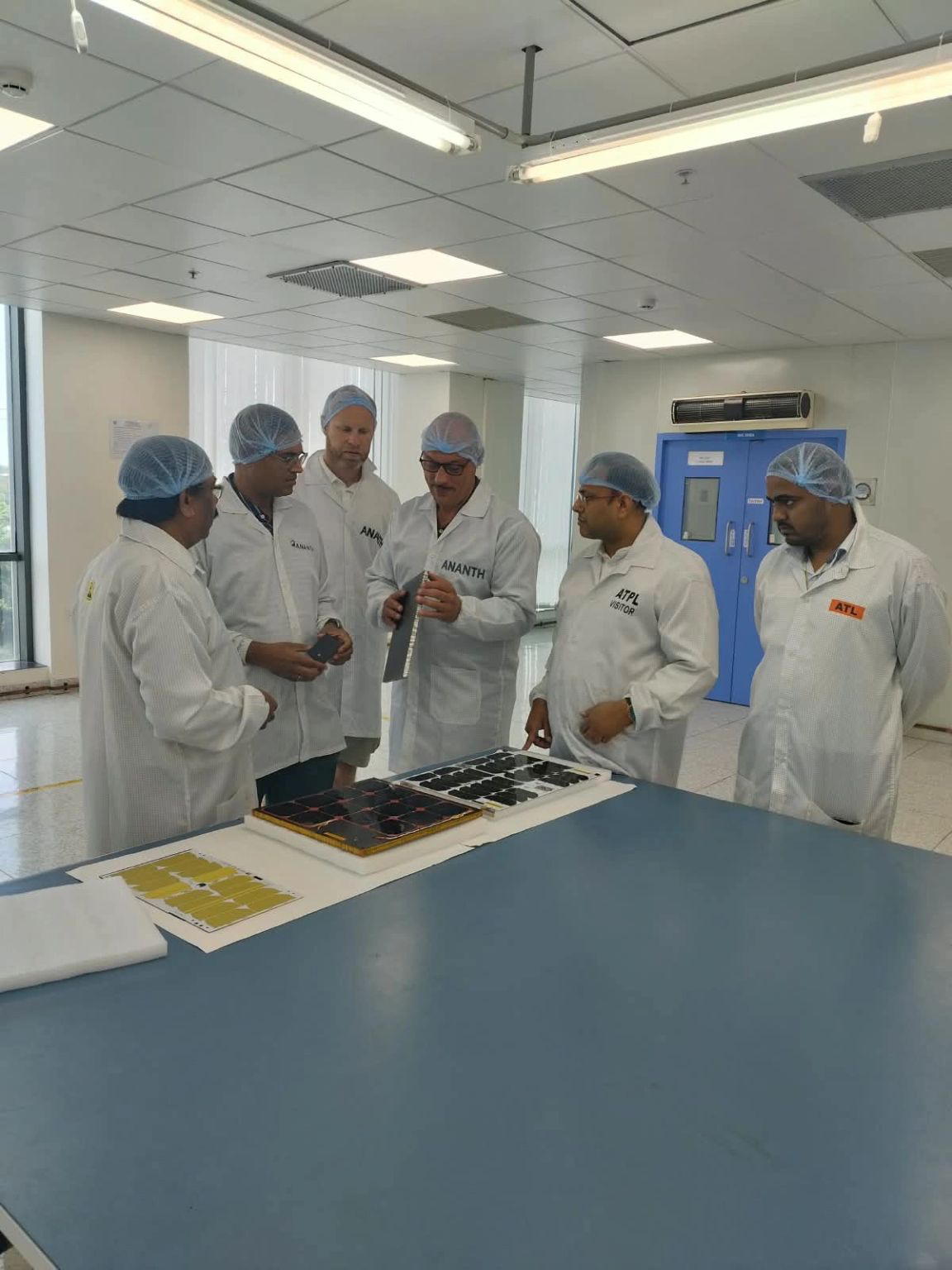
The connections developed during the mission did not begin in Bengaluru.
Several of the Indian organisations had already engaged with SSIP through earlier exchanges, including the Global Orbital Infrastructure Summit in Lucerne.
That continuity is important.
Industrial partnerships rarely develop through a single conference or meeting.
They require repeated interaction, an understanding of complementary capabilities and sufficient trust to discuss technical requirements, costs, responsibilities and long-term objectives.
The welcome extended to the visiting team by AkashaLabdhi, Space Philic and Inbound Aerospace also reflected the personal relationships established between the organisations.
Such relationships do not replace contracts, technical qualification or due diligence.
But they provide a foundation for the more demanding work that follows.
For an ecosystem platform such as SSIP, maintaining that continuity is part of the value it aims to deliver.

A Commercial Development Emerging From the Ecosystem: Cellestia Space
September's international engagement was followed by another development in early October.
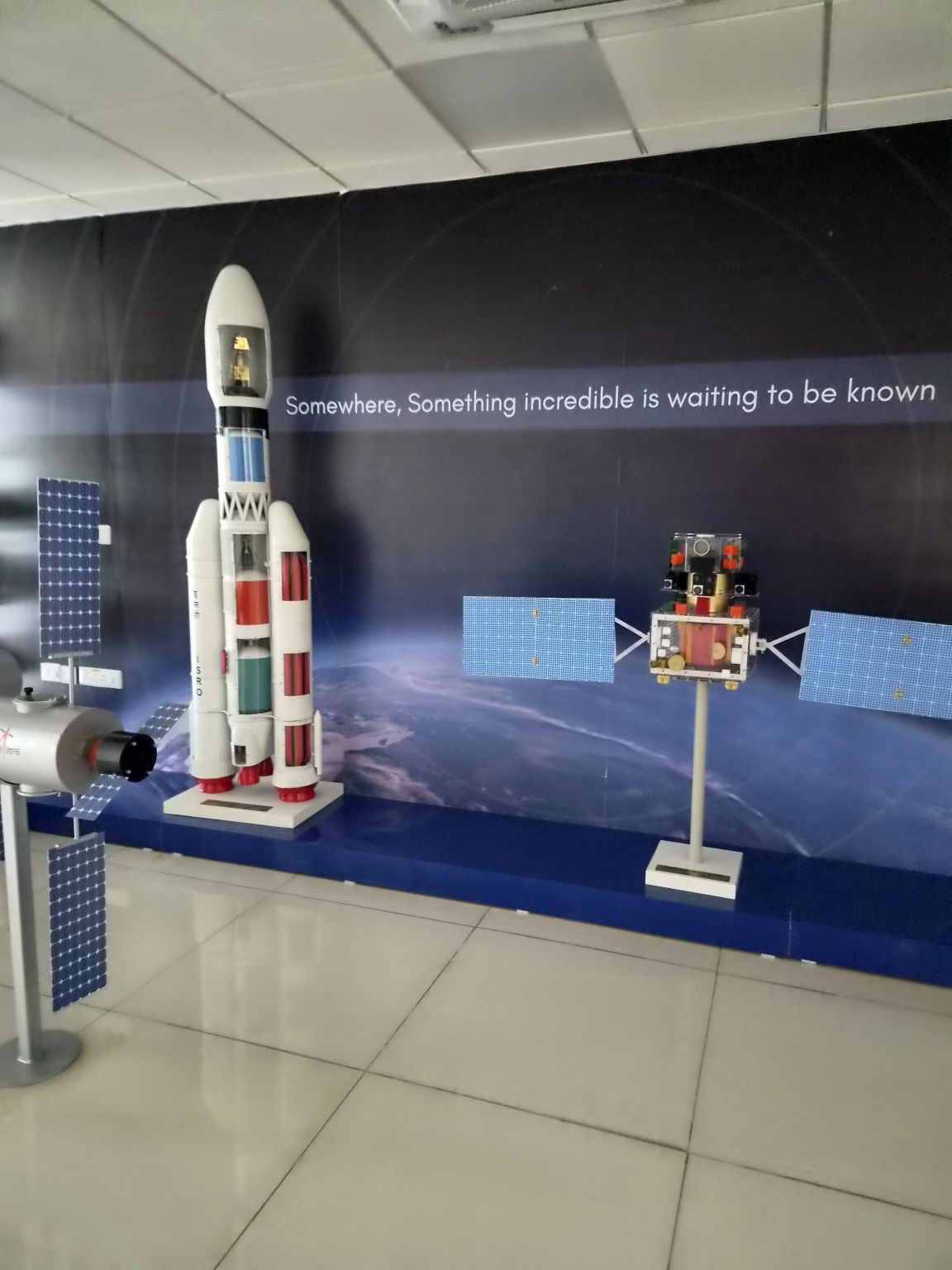
Cellestia Space Private Limited was publicly introduced as an independent Indian commercial venture being established in Bengaluru, drawing on industrial and research relationships developed across India, Switzerland and Europe, including through the SSIP ecosystem.
Its introduction points to an important distinction between connecting organisations and developing commercial capabilities.
SSIP operates as an independent Swiss non-profit association.
Cellestia Space is a separate Indian commercial initiative, with its own founding team, business objectives and planned technological activities.
The two organisations should not be confused.
They may identify areas of mutual interest within the wider ecosystem, but participation in the same network does not imply shared ownership, institutional control or automatic access to either organisation's resources.
Cellestia's proposed activities include specialised international supply chains, engineering services, deep-tech market access and proprietary space hardware.
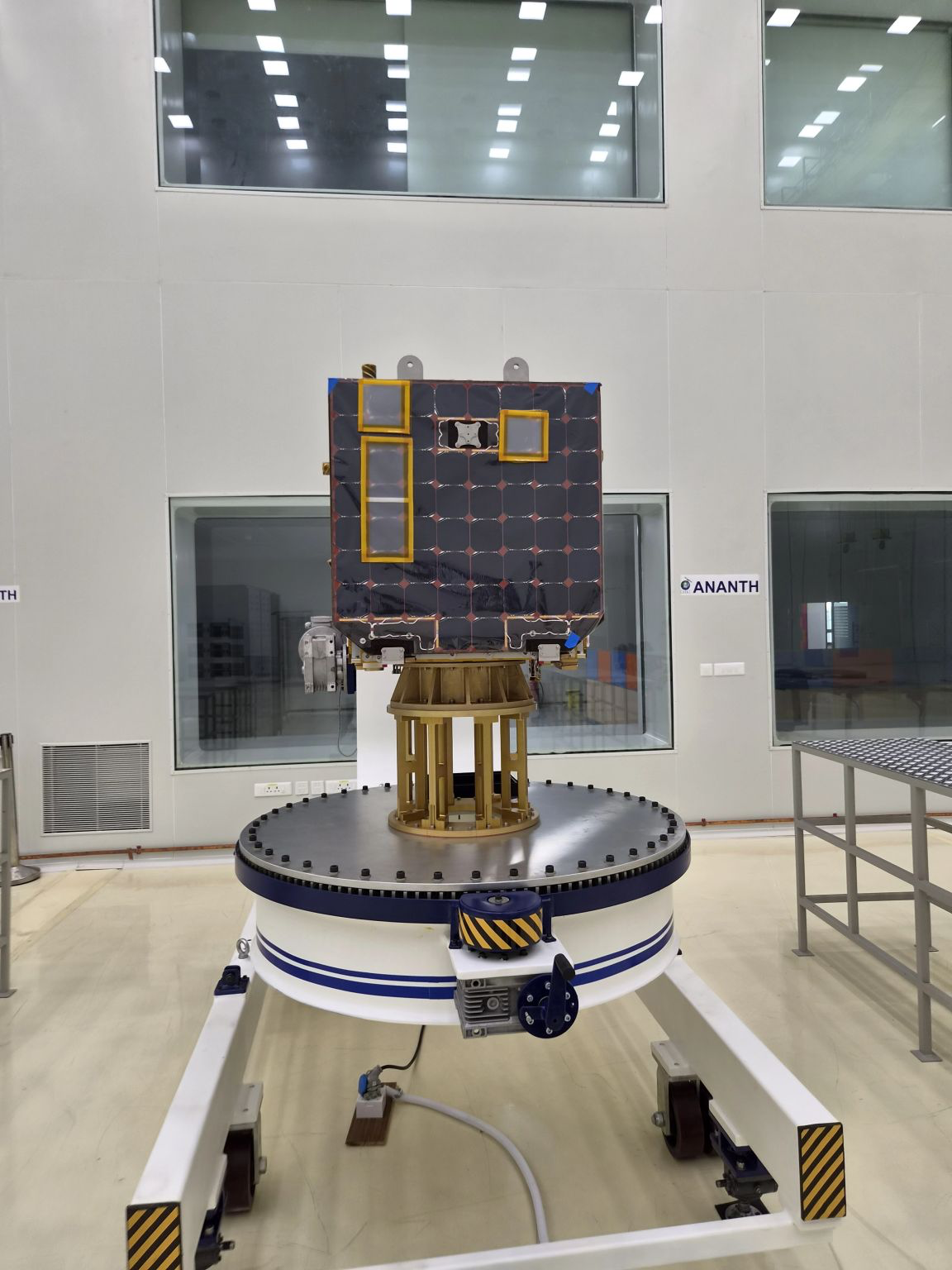
Its technology development plans also include BioCube, a modular biological payload concept currently under development for potential microgravity research applications.
The company's founding team includes Paulo Pinheiro, Joshith Kayakkal, Dr. Bernd Rattenbacher, Rylan Coury and Debraj Dasgupta.
Their combined experience spans engineering, biotechnology, industrial operations and business development.
The commercial model aims to connect qualified Indian manufacturing and engineering capabilities with demand in Switzerland and Europe, while also linking specialised European technologies with potential Indian applications.
That is a different mandate from SSIP's work as an ecosystem and collaboration platform.
But the relationship between the two illustrates an emerging question for international innovation networks.
How can relationships developed through open collaboration contribute to new commercial activity while preserving the independence, transparency and responsibilities of each participating organisation?
For SSIP, the answer must remain grounded in clearly defined roles and project-specific agreements.
For Cellestia, the test will be whether its proposed technologies and industrial services can be developed, qualified and delivered.
The opportunity is visible. The results remain to be built.
September Was Also About Life Sciences and the Next Generation of Talent
Although India dominated SSIP's international agenda, the month was not limited to space industry development.
On 22 September, SSIP Managing Director Paulo Pinheiro attended the Medtech & Pharma Platform Association Annual Conference in Basel.
The discussions brought together pharmaceutical companies, medical technology organisations, regulators and patient representatives to examine how innovation can be translated into credible evidence and improved patient access.
For SSIP's work in microgravity-enabled life sciences, the relevance was direct.
Novel experimental environments are scientifically interesting, but research intended for future healthcare applications must ultimately be assessed against real medical and industrial needs.
The conference reinforced the importance of considering clinical relevance, evidence generation, usability and regulatory expectations when developing new technology pathways.
Back in Lucerne, September was also an important preparation period for Swiss Hackathon 2026.
Participant registration closed during the month, and the initiative moved into team formation and pre-event development ahead of the 2–4 October challenge.
The programme covered six areas: orbital digital twins, pharmaceutical and biotechnology applications in microgravity, autonomous space operations, orbital manufacturing and advanced materials, space cybersecurity, and Digital Twin Earth.
Its purpose was to bring emerging talent into contact with technical problems contributed by industry and the research community.
Taken together, the two activities demonstrated the breadth of SSIP's work.
One addressed the pathway from medical innovation to patient relevance.
The other helped create an environment in which engineers, scientists and developers could work collaboratively on emerging technical challenges.
Both depend on connecting capabilities that are often distributed across different institutions.
From Networks to the Next Industrial Programmes
By the end of September, SSIP had strengthened its relationships across a network connecting Swiss research and engineering organisations with an increasingly active group of Indian space technology companies and institutions.
That network now spans different elements of the emerging space economy.
Launch concepts and propulsion.
Orbital structures and infrastructure.
Recoverable spacecraft and microgravity research.
Life sciences and experimental systems.
Advanced manufacturing and specialised international supply chains.
Industry associations, startup ecosystems and market access.
The commercial potential of these connections is substantial in scope, but their eventual value cannot be assumed from the relationships alone.
Specific projects still require technical definition, suitable partners, resources, financing and agreements on responsibilities and intellectual property.
That is the next stage.
For SSIP, September's importance lies in the transition from building relationships towards identifying where those relationships may support practical programmes.
For its Indian partners, it opens further possibilities for engagement with Swiss scientific and industrial capabilities.
And for emerging commercial ventures such as Cellestia Space, it demonstrates how international ecosystems can provide a foundation from which independent businesses seek to build products, engineering services and industrial programmes.
The next milestones will not be measured primarily in meetings, announcements or signatures.
They will be measured in feasibility studies completed, technologies validated, research programmes launched, supply chains qualified and projects delivered.
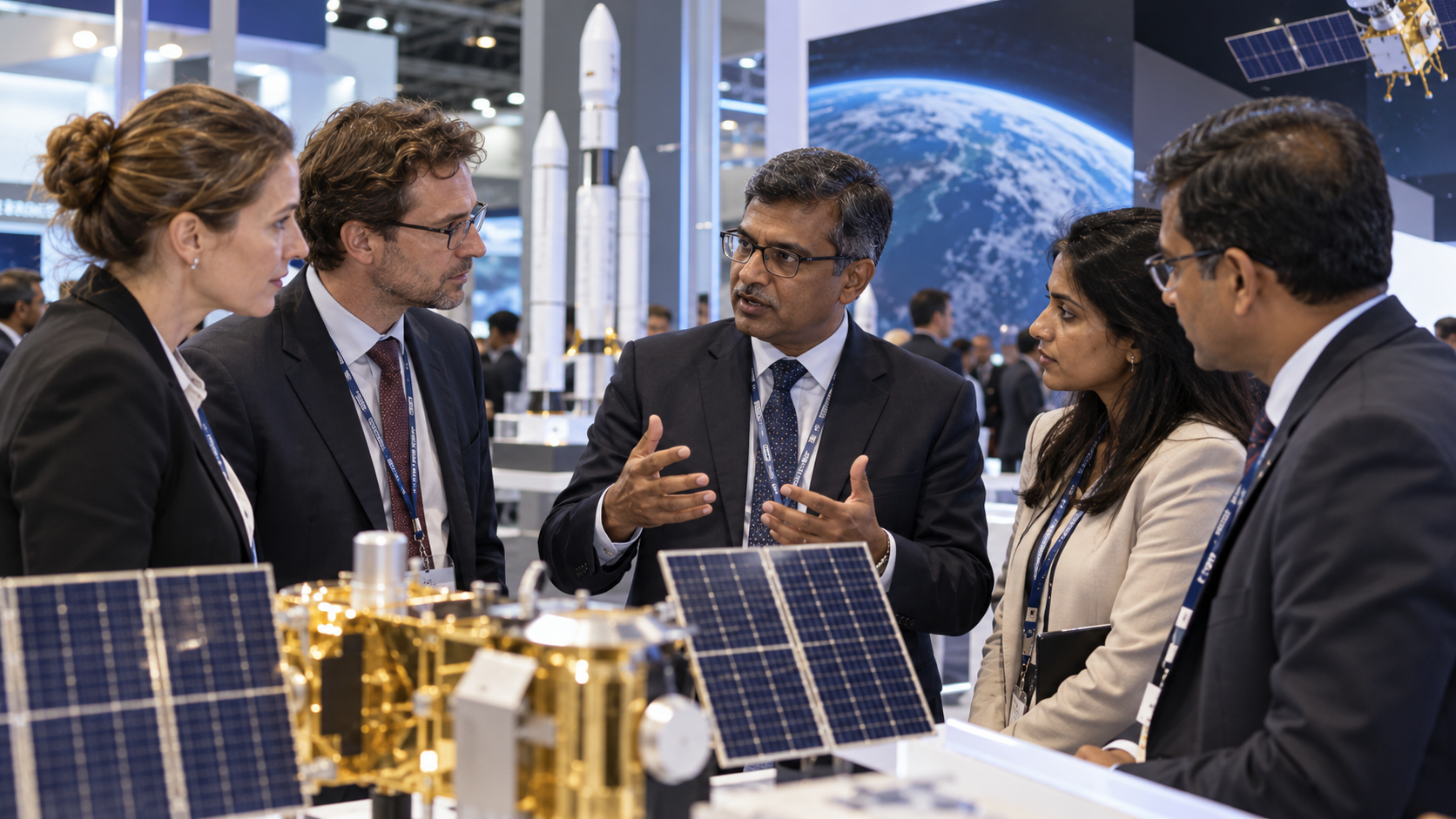
September showed how much India and Switzerland have to offer one another. The real industrial story will be written by what they build together next.
Sources & context
This review draws on SSIP’s supplied September mission account, its earlier mission coverage and public information about Cellestia Space. Descriptions of proposed technologies are development intentions, not independently validated performance claims. SSIP is an independent Swiss non-profit association; Cellestia Space is a separate Indian commercial initiative. Shared founders or ecosystem relationships do not establish shared ownership, government endorsement or automatic access to resources. Seven photographs, one invitation graphic and one explicitly identified illustration were supplied by SSIP.
About SSIP
SSIP® is an independent Swiss non-profit association headquartered at Technopark Luzern, connecting industry, research institutions and international partners to structure applied innovation initiatives.
Discuss a technical or industrial challengeWas this article useful?
Your feedback helps us improve SSIP Insights.
Share it with your network.